
Technical SEO Site Structure: Building a Search-Friendly Website That Drives Rankings
In today’s competitive digital landscape, having great content alone is not enough to secure top rankings in search engines. Search engines need to understand how your website is organized, how pages connect, and which content is most important. This is where Technical SEO Site Structure becomes a critical factor for long-term SEO success.
A well-organized website helps both users and search engine crawlers navigate content efficiently. When combined with effective breadcrumb navigation, a logical website hierarchy, and strong SEO optimization, your website becomes easier to crawl, index, and rank.
This guide explores why site structure matters, how breadcrumbs contribute to SEO performance, and the best practices businesses can implement to improve visibility and user experience.
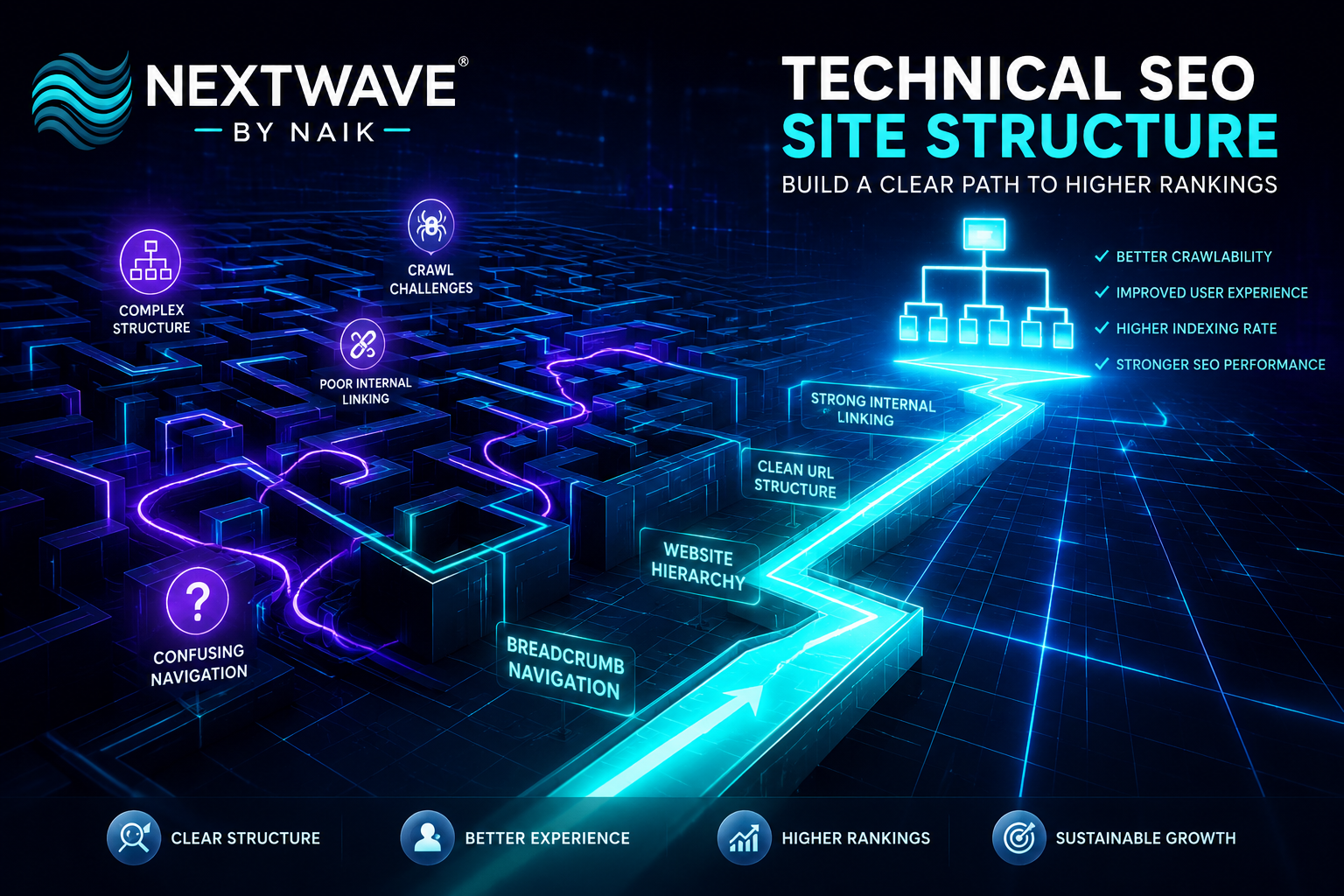
What Is Technical SEO Site Structure?
Technical SEO Site Structure refers to the way pages, categories, and content are organized within a website. It defines the relationship between different sections and helps search engines understand the importance of each page.
An optimized site structure ensures:
- Easy navigation for visitors
- Better search engine crawling
- Improved content discoverability
- Stronger keyword relevance
- Enhanced user experience
- More efficient indexing
Without a clear structure, even high-quality content may struggle to rank because search engines cannot easily determine how pages relate to one another.
Why Technical SEO Site Structure Matters for Rankings
Search engines like Google prioritize websites that provide a seamless experience. A well-designed SEO Site Structure helps search engines identify the most valuable pages while ensuring users can find information quickly.
Benefits include:
Improved Crawl Efficiency
Search engine bots follow links to discover and index pages. A logical structure reduces crawl waste and helps bots access important content faster.
Better Indexing
When content is properly categorized, search engines can understand topic relationships and index pages more accurately.
Enhanced User Experience
Visitors are more likely to stay on a website when navigation is simple and intuitive. Lower bounce rates often contribute to better SEO performance.
Stronger Keyword Relevance
A clear website hierarchy allows related content to be grouped together, helping search engines understand topical authority.
Understanding Website Hierarchy
A strong website hierarchy is the foundation of successful SEO.
The ideal hierarchy looks like this:
Homepage
↓
Main Categories
↓
Subcategories
↓
Individual Pages or Blog Posts
For example:
Homepage
→ SEO Services
→ Technical SEO
→ Technical SEO Site Structure
This logical arrangement helps users and search engines understand where each page belongs.
When building a hierarchy:
- Keep important pages close to the homepage.
- Avoid excessive folder depth.
- Use descriptive URLs.
- Maintain consistent navigation across all pages.
A clean hierarchy improves crawlability and supports overall SEO optimization efforts.
The Role of Breadcrumb Navigation in SEO
Breadcrumb navigation is a secondary navigation system that shows users where they are within a website.
Example:
Home > SEO Services > Technical SEO > Technical SEO Site Structure
Breadcrumbs provide context for both users and search engines.
Benefits
Improved User Navigation
Visitors can easily move back to previous categories without relying on browser buttons.
Better Search Engine Understanding
Breadcrumbs reinforce the relationship between pages and categories, supporting a clear website hierarchy.
Enhanced Search Results
Google may display breadcrumb paths directly in search results, creating cleaner and more informative snippets.
Reduced Bounce Rates
Users can explore related sections more easily, increasing engagement and session duration.
Internal Linking and Site Structure
Links between related pages help:
- Distribute authority throughout the site
- Guide search engine crawlers
- Increase page discovery
- Improve user engagement
For example, a blog about technical SEO should naturally link to content covering:
- Website audits
- Crawl optimization
- XML sitemaps
- Schema markup
- Site architecture
A strategic internal linking structure strengthens topical relevance and enhances SEO performance.
Best Practices
To maximize results, follow these proven strategies:
Create Clear Category Structures
Group related content into logical categories and subcategories.
Use SEO-Friendly URLs
Good URL example:
yourwebsite.com/technical-seo/site-structure
Avoid:
yourwebsite.com/page?id=12345
Limit Click Depth
Important pages should ideally be reachable within three clicks from the homepage.
Maintain Consistent Navigation
Menus and navigation elements should remain consistent across the website.
Implement Breadcrumb Navigation
Every major category and content page should include breadcrumb trails.
Optimize Internal Linking
Connect relevant content naturally to improve authority flow and user experience.
Update Old Content
As websites grow, review navigation and hierarchy regularly to prevent orphan pages.
Common Site Structure Mistakes to Avoid
Many websites lose rankings because of poor structural decisions.
Deep Page Nesting
Pages buried several levels deep often receive less visibility and crawl attention.
Broken Internal Links
Broken links create poor user experiences and waste crawl resources.
Duplicate Categories
Creating multiple categories for similar topics confuses search engines.
Missing Breadcrumbs
Without breadcrumb navigation, users may struggle to understand page context.
Poor URL Organization
Unclear URLs reduce both usability and SEO effectiveness.
Avoiding these mistakes ensures a stronger Technical SEO Site Structure and improved search visibility.
How Technical SEO Site Structure Supports Long-Term Growth
SEO is not only about keywords and backlinks. Search engines increasingly evaluate website quality, usability, and content organization.
A properly optimized Technical SEO Site Structure provides:
- Better crawl efficiency
- Faster indexing
- Improved user experience
- Stronger content relevance
- Higher engagement metrics
- Greater ranking potential
As websites expand, a scalable structure becomes even more important. Businesses that invest in site architecture today create a foundation that supports future growth and search visibility.
Conclusion
A successful SEO strategy starts with a strong foundation, and that foundation is Technical SEO Site Structure. Search engines rely on organized content, logical website hierarchy, effective breadcrumb navigation, and strategic internal linking to understand and rank your website.
By implementing a clear structure, improving navigation, and following SEO best practices, businesses can enhance crawlability, strengthen user experience, and achieve sustainable organic growth. Whether you’re launching a new website or optimizing an existing one, investing in SEO Site Structure remains one of the most effective ways to improve long-term search performance and SEO optimization.
Looking to improve your website’s technical SEO performance and search visibility? Our SEO specialists can help you optimize site architecture, implement breadcrumb navigation, strengthen website hierarchy, and develop a scalable SEO strategy that drives measurable results.
Contact us today to build a stronger SEO foundation and achieve sustainable organic growth.