
Hyper-Personalization: Building a Personalized Web Experience That Adapts to Every User
Introduction
In today’s competitive digital world, users no longer respond to generic online experiences. Modern customers expect websites to understand their interests, behaviors, and preferences instantly. This shift has made the Personalized Web Experience one of the most important trends in modern web development and digital marketing.
Businesses that embrace hyper-personalization are seeing higher engagement, stronger customer retention, and better conversion rates. From AI-powered recommendations to location-based content and dynamic landing pages, websites are evolving into intelligent platforms that adapt in real time.
A hyper-personalized website does more than display information — it creates meaningful interactions that make users feel understood. Whether it’s an eCommerce store suggesting relevant products or a service website changing its messaging based on visitor intent, personalization is redefining digital success.
This blog explores how hyper-personalization works, why it matters, and how businesses can use it to create a powerful Personalized Web Experience that drives measurable growth.
Why Personalized Web Experience Matters
The modern customer journey is highly dynamic. Users browse websites from different devices, locations, and marketing channels. A static website cannot effectively serve every visitor in the same way.
A Personalized Web Experience helps businesses create relevant interactions based on real-time customer behavior. Personalized experiences can include:
- Product recommendations
- Smart CTAs
- Personalized landing pages
- Dynamic banners
- Location-specific content
- AI-powered chat support
When users receive content aligned with their needs, they are more likely to engage and convert.
Research consistently shows that personalized digital experiences improve:
- Time spent on website
- Customer satisfaction
- Conversion rates
- Repeat visits
- Brand loyalty
This is why businesses across industries are investing heavily in hyper-personalized web solutions.
The Role of Dynamic Content Delivery
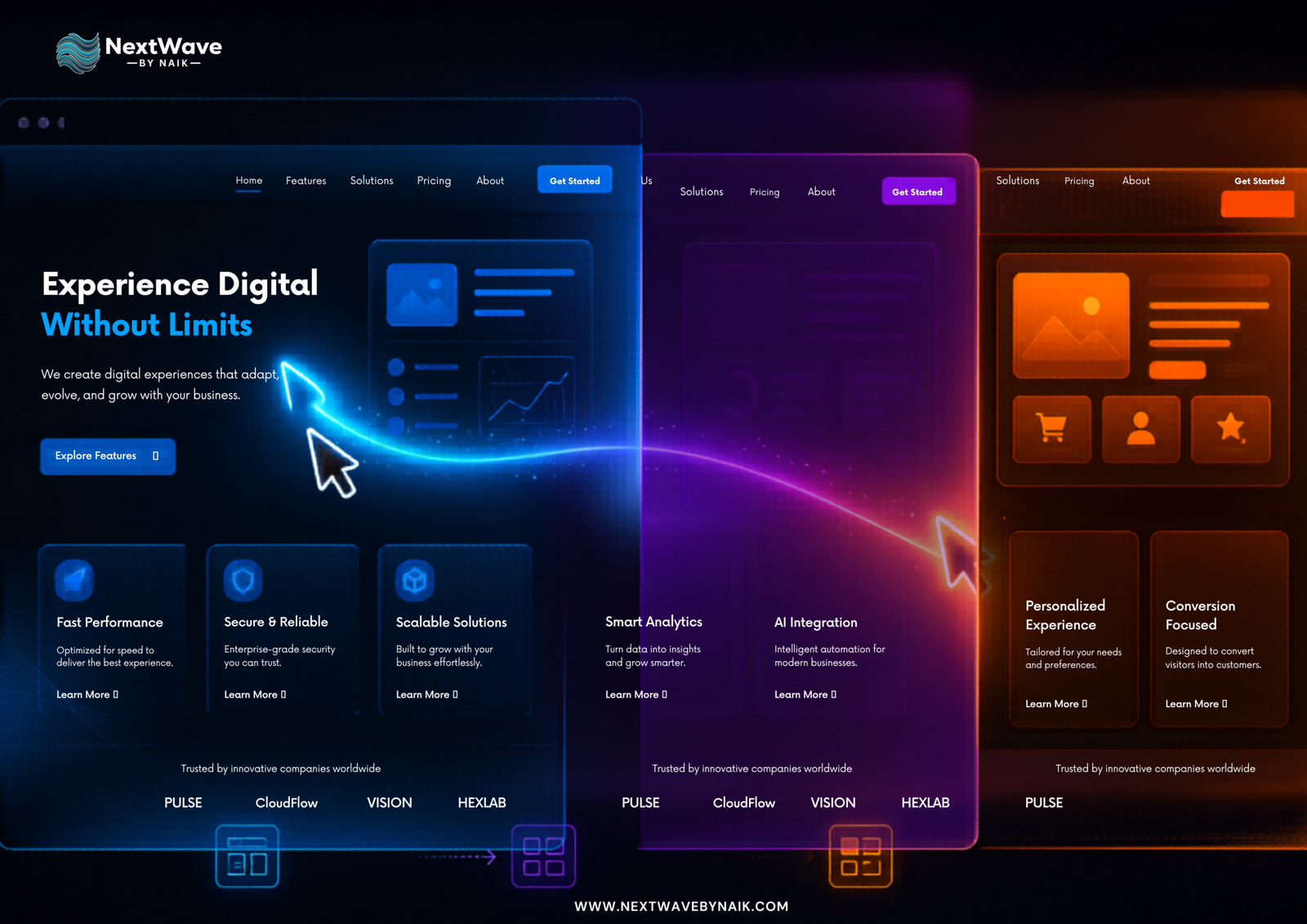
One of the core technologies behind a Personalized Web Experience is Dynamic Content Delivery. Instead of showing identical content to every visitor, dynamic websites modify content based on user data.
For example:
- A returning visitor may see customized product suggestions
- A first-time user may receive introductory offers
- Users from different locations may see region-specific services
- Mobile visitors may experience simplified navigation
Dynamic content allows businesses to communicate more effectively with different audience segments.
Benefits of dynamic content delivery include:
- Improved user engagement
- Reduced bounce rates
- Better customer targeting
- Faster conversion journeys
By delivering relevant information instantly, businesses create smoother digital experiences that encourage action.
How AI Website Personalization Improves UX
Artificial Intelligence is transforming website personalization. AI systems can analyze massive amounts of user behavior data and automatically optimize the user experience.
AI Website Personalization helps websites:
- Predict customer intent
- Recommend relevant content
- Optimize layouts automatically
- Personalize email integrations
- Improve product discovery
For example, streaming platforms and eCommerce websites already use AI-driven personalization to keep users engaged.
AI-powered personalization also supports:
- Real-time customer segmentation
- Automated content recommendations
- Smart search functionality
- Predictive customer journeys
As AI technology evolves, businesses can deliver increasingly accurate and meaningful digital experiences.
Conversion Driven Design and Hyper-Personalization
A visually attractive website alone is no longer enough. Businesses now focus on Conversion Driven Design, where every design element is strategically optimized to encourage user actions.
Hyper-personalization strengthens conversion-focused design by adapting:
- Headlines
- CTA buttons
- Product displays
- Content layouts
- Forms and offers
For example, users arriving from a Google Ads campaign may see different messaging than users visiting organically.
This level of customization creates a more relevant journey that increases:
- Lead generation
- Sales conversions
- Customer inquiries
- Newsletter sign-ups
A strong Personalized Web Experience combines modern UI design with behavioral insights to maximize user engagement.
The Importance of User Behavior Analytics
Hyper-personalization relies heavily on User Behavior Analytics. Businesses must understand how users interact with their websites before creating personalized experiences.
Behavior analytics tracks:
- Page visits
- Click patterns
- Session duration
- Scroll depth
- Device usage
- Purchase behavior
These insights help businesses identify:
- Customer interests
- Pain points
- Drop-off areas
- High-converting pages
Using this data, brands can continuously optimize the Personalized Web Experience for better results.
Analytics-driven personalization also helps marketers create:
- Better campaigns
- Smarter content strategies
- More effective landing pages
- Improved user journeys
Data-backed decisions are essential for long-term digital growth.
Introduction
In today’s competitive digital world, users no longer respond to generic online experiences. Modern customers expect websites to understand their interests, behaviors, and preferences instantly. This shift has made the Personalized Web Experience one of the most important trends in modern web development and digital marketing.
Businesses that embrace hyper-personalization are seeing higher engagement, stronger customer retention, and better conversion rates. From AI-powered recommendations to location-based content and dynamic landing pages, websites are evolving into intelligent platforms that adapt in real time.
A hyper-personalized website does more than display information — it creates meaningful interactions that make users feel understood. Whether it’s an eCommerce store suggesting relevant products or a service website changing its messaging based on visitor intent, personalization is redefining digital success.
This blog explores how hyper-personalization works, why it matters, and how businesses can use it to create a powerful Personalized Web Experience that drives measurable growth.
Industries Benefiting from Personalized Web Experience
Hyper-personalization is not limited to eCommerce. Multiple industries are leveraging personalized web strategies to improve customer interactions.
eCommerce
Online stores use personalized product recommendations, targeted discounts, and AI search systems to increase sales.
Healthcare
Healthcare websites personalize appointment reminders, patient resources, and medical information.
Education
Learning platforms adapt course recommendations and dashboards based on student behavior.
Real Estate
Property websites show personalized listings based on search history and user preferences.
SaaS Businesses
Software companies customize onboarding flows and dashboards for different user segments.
Every industry can improve engagement with a smarter Personalized Web Experience.
Best Practices for Hyper-Personalized Websites
Businesses looking to implement personalization should follow strategic best practices.
Understand Your Audience
Use analytics tools to identify user preferences and behavior patterns.
Prioritize Mobile Experience
Ensure personalized content works seamlessly across all devices.
Use AI Responsibly
Balance automation with user privacy and transparency.
Optimize Website Speed
Dynamic websites must still load quickly for a smooth user experience.
Test and Improve Continuously
A/B testing helps businesses optimize personalized elements for higher performance.
Consistent optimization ensures personalization strategies remain effective over time.
The Future of Personalized Web Experience
The future of web development is deeply connected to personalization. As AI, machine learning, and predictive analytics continue to evolve, websites will become even more adaptive.
Future trends may include:
- Voice-based personalization
- Real-time predictive UX
- Emotion-aware interfaces
- Personalized video content
- Advanced AI customer assistants
Businesses that adopt personalization early will gain a strong competitive advantage in customer engagement and digital growth.
A modern Personalized Web Experience is no longer optional — it is becoming an essential part of successful digital strategy.
Conclusion
Hyper-personalization is transforming how businesses connect with online audiences. Websites that adapt to user preferences, behavior, and intent create stronger engagement and higher conversions.
By combining Dynamic Content Delivery, Conversion Driven Design, AI-powered personalization, and user analytics, businesses can build digital experiences that feel intuitive and customer-focused.
As customer expectations continue to rise, investing in a smarter Personalized Web Experience will help businesses stay competitive, improve retention, and achieve sustainable online growth.