
The Ultimate Omnichannel Marketing Blueprint for an Unforgettable Brand Experience
In today’s competitive digital landscape, customers interact with brands across multiple channels before making a purchasing decision. They might discover a product through social media, visit a website for research, read online reviews, receive promotional emails, and finally complete the purchase through a mobile application or physical store. This evolving buying behavior has made Omnichannel Marketing an essential strategy for businesses that want to deliver exceptional customer experiences while increasing engagement and conversions.
Unlike traditional multichannel marketing, Omnichannel Marketing connects every customer touchpoint into one seamless experience. Whether a customer switches from desktop to mobile, social media to email, or online shopping to an in-store visit, the transition remains consistent and personalized.
Organizations that invest in Omnichannel Marketing gain stronger customer loyalty, improved retention, higher conversion rates, and a significant competitive advantage.
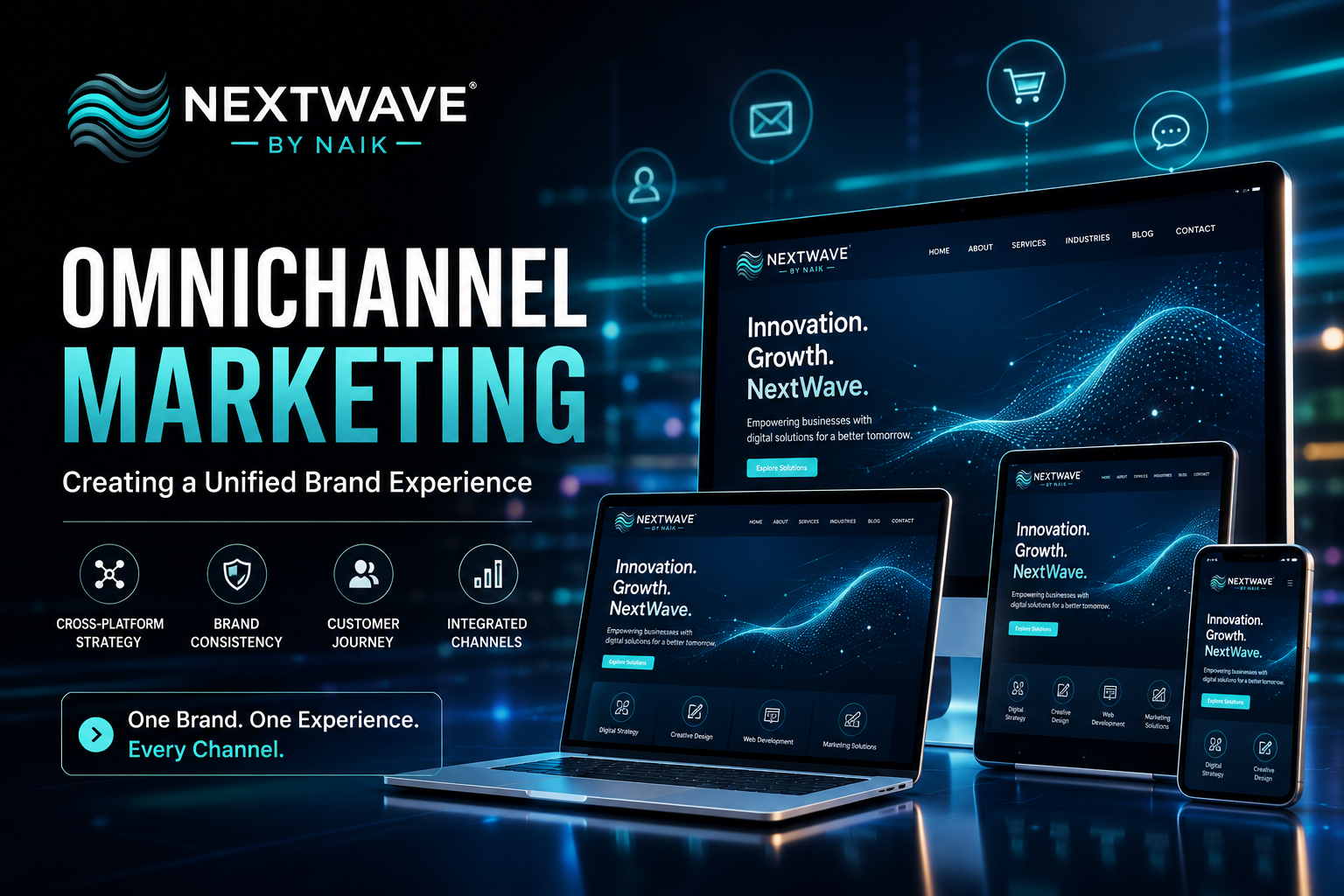
What is Omnichannel Marketing?
Omnichannel Marketing is a customer-centric marketing approach that integrates every communication channel into one connected ecosystem. Rather than treating each marketing platform independently, businesses synchronize messaging, branding, customer data, and interactions across all channels.
The primary objective is to create a unified experience where customers can interact with a brand effortlessly regardless of the platform they choose.
Common omnichannel channels include:
- Company websites
- Mobile applications
- Social media platforms
- Email campaigns
- SMS marketing
- Physical retail stores
- Customer support
- Live chat
- Online marketplaces
When implemented correctly, Omnichannel Marketing ensures customers never feel like they are starting over when switching between platforms.
Why Omnichannel Marketing Matters
Omnichannel Marketing is a customer-centric marketing approach that integrates every communication channel into one connected ecosystem. Rather than treating each marketing platform independently, businesses synchronize messaging, branding, customer data, and interactions across all channels.
The primary objective is to create a unified experience where customers can interact with a brand effortlessly regardless of the platform they choose.
Common omnichannel channels include:
- Company websites
- Mobile applications
- Social media platforms
- Email campaigns
- SMS marketing
- Physical retail stores
- Customer support
- Live chat
- Online marketplaces
When implemented correctly, Omnichannel Marketing ensures customers never feel like they are starting over when switching between platforms.
Building a Strong Cross-Platform Strategy
A successful cross-platform strategy forms the backbone of effective Omnichannel Marketing.
Instead of running isolated campaigns, businesses should integrate every marketing effort into a unified customer experience.
Essential elements include:
Understand Customer Behavior
Analyze how customers move across various platforms before making purchasing decisions.
Monitor:
- Website visits
- Social media engagement
- Email interactions
- Mobile app usage
- Purchase history
This information helps create personalized experiences.
Connect Marketing Platforms
CRM systems, automation software, customer databases, and analytics tools should communicate with each other.
When customer information flows between systems, businesses can provide highly relevant messaging across every platform.
Personalize Every Interaction
Modern consumers expect personalized recommendations.
Examples include:
- Product suggestions
- Personalized emails
- Dynamic website content
- Targeted advertisements
- Customized offers
Personalization significantly improves engagement throughout the customer journey.
Maintaining Brand Consistency Across Every Channel
One of the biggest advantages of Omnichannel Marketing is maintaining strong brand consistency.
Customers should immediately recognize your brand regardless of the platform.
Maintain consistency in:
- Logo usage
- Brand colors
- Typography
- Messaging tone
- Product descriptions
- Customer service quality
- Promotional offers
Consistent branding builds trust and strengthens customer confidence.
When every channel reflects the same identity, customers perceive the business as more professional and reliable.
Optimizing the Customer Journey
Every successful Omnichannel Marketing strategy revolves around the customer journey.
Rather than focusing only on sales, businesses should optimize every stage.
Awareness
Customers first discover your brand through:
- Search engines
- Social media
- Online advertising
- Blog articles
- Video marketing
Consistent messaging encourages further engagement.
Consideration
Potential buyers compare products and research options.
Helpful resources include:
- Product pages
- Case studies
- Reviews
- FAQs
- Email newsletters
Maintaining unified messaging keeps customers engaged.
Purchase
A smooth purchasing experience should work across desktop, mobile, and physical stores.
Reducing friction increases conversions.
Retention
After purchase, continue nurturing customers through:
- Personalized emails
- Loyalty programs
- Exclusive offers
- Customer support
- Educational content
Retention is often more profitable than acquiring new customers.
Benefits of Integrated Marketing Channels
Using integrated marketing channels creates measurable business improvements.
Higher Customer Satisfaction
Customers enjoy seamless interactions without repeating information.
Better Data Insights
Connected systems provide a complete view of customer behavior.
Improved Marketing ROI
Businesses allocate budgets more efficiently by understanding which channels contribute most to conversions.
Increased Sales
Customers who engage across multiple channels generally spend more than single-channel buyers.
Stronger Customer Loyalty
Consistent experiences encourage repeat purchases and long-term relationships.
Best Practices for Omnichannel Marketing Success
To maximize results, businesses should follow proven strategies.
Create a Unified Customer Database
Store customer information in one centralized platform.
Use Marketing Automation
Automation helps deliver personalized communication at the right time.
Optimize for Mobile
Since mobile traffic continues to grow, every digital experience should be responsive and user-friendly.
Monitor Customer Analytics
Track:
- Conversion rates
- Customer engagement
- Email performance
- Website behavior
- Purchase patterns
Continuous optimization improves long-term performance.
Encourage Cross-Channel Engagement
Allow customers to move easily between:
- Social media
- Websites
- Mobile apps
- Physical stores
- Customer support
The smoother the transition, the better the customer experience.
Common Omnichannel Marketing Mistakes
Many businesses struggle because they make avoidable mistakes.
Common issues include:
- Inconsistent branding
- Disconnected customer data
- Poor mobile experiences
- Generic messaging
- Lack of personalization
- Ignoring customer feedback
- Separate marketing teams working independently
Avoiding these mistakes helps maintain a seamless customer experience.
The Future of Omnichannel Marketing
Emerging technologies continue transforming Omnichannel Marketing.
Businesses increasingly use:
- Artificial Intelligence
- Predictive analytics
- Customer Data Platforms
- Voice search optimization
- Chatbots
- Personalized automation
- Machine learning
These innovations allow brands to anticipate customer needs and deliver highly personalized experiences in real time.
Companies investing in modern technologies today will be better positioned to meet evolving customer expectations tomorrow.
Conclusion
As customer expectations continue to evolve, Omnichannel Marketing has become a necessity rather than an option. Businesses that successfully integrate every touchpoint into one seamless experience create stronger relationships, improve customer satisfaction, and increase long-term revenue.
By developing a robust cross-platform strategy, maintaining brand consistency, optimizing every stage of the customer journey, and connecting integrated marketing channels, organizations can deliver personalized experiences that build trust and encourage repeat business.
Adopting Omnichannel Marketing today positions your business for sustainable growth, stronger customer loyalty, and greater competitive success in the rapidly changing digital marketplace.