
Multilingual Website Development: The Ultimate Strategy for Scaling Websites to Global Audiences
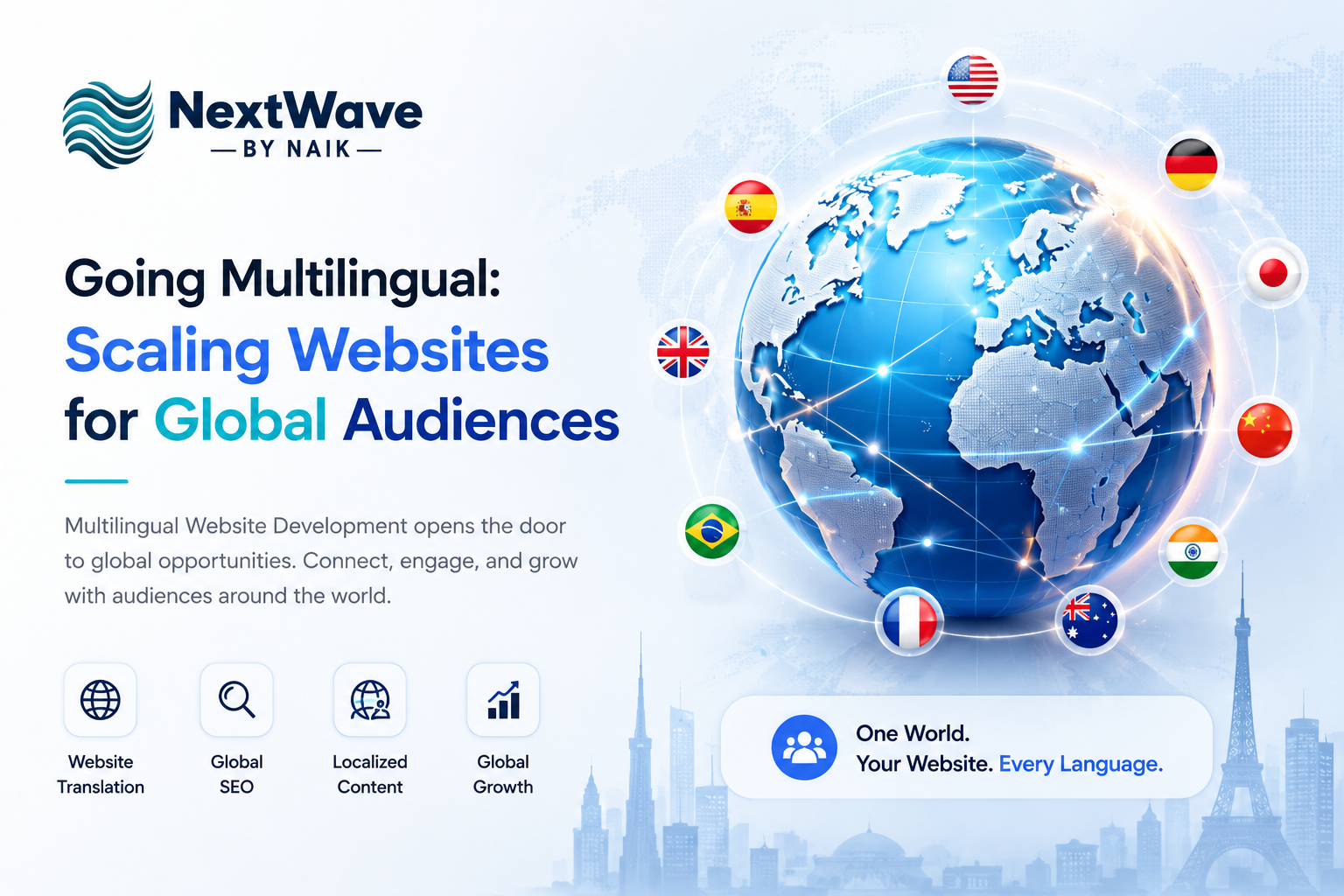
In today’s interconnected digital economy, businesses are no longer limited by geographic boundaries. Companies of all sizes have the opportunity to reach customers across continents, cultures, and languages. However, simply having a website in one language is no longer enough to compete globally. This is where Multilingual Website Development becomes a critical business strategy.
Organizations seeking international growth must create digital experiences that resonate with diverse audiences. By combining effective website translation, localized user experiences, and a strong global SEO strategy, businesses can significantly increase their reach, engagement, and conversion rates across multiple markets.
Why Multilingual Website Development Matters
The internet serves billions of users worldwide, yet a significant portion of users prefer browsing and purchasing in their native language. Research consistently shows that consumers are more likely to trust and engage with websites that communicate in a language they understand.
Multilingual Website Development enables businesses to:
- Expand into new international markets
- Improve customer trust and engagement
- Increase global website traffic
- Enhance user experience across regions
- Improve international search engine rankings
- Boost conversion rates and sales
When users can access information in their preferred language, they are more likely to remain on the website longer and complete desired actions.
The Foundation of Effective Website Translation
A successful multilingual website begins with accurate and culturally relevant Website Translation Services. Translation involves more than converting words from one language to another. It requires adapting content to reflect local expressions, cultural expectations, and regional communication styles.
Professional translation strategies focus on:
- Linguistic accuracy
- Cultural adaptation
- Industry-specific terminology
- Consistent brand messaging
- User-friendly navigation
Poor translations can damage credibility and create confusion. Businesses that invest in quality translation create stronger connections with international audiences and establish greater trust in global markets.
Localized Content Creates Better User Experiences
One of the most important aspects of Multilingual Website Development is content localization. While translation changes language, localization adapts the entire user experience to match local preferences.
Key Localization Elements Include:
Cultural Relevance
Images, colors, symbols, and messaging should align with local cultural expectations. What works in one country may not resonate in another.
Regional Formats
Dates, currencies, measurements, phone numbers, and addresses should be presented according to regional standards.
Market-Specific Messaging
Localized Content Marketing helps businesses create personalized experiences that feel natural to local audiences rather than translated from another market.
Legal Compliance
Different countries have varying privacy regulations, accessibility requirements, and consumer protection laws that websites must follow.
By implementing localized content strategies, businesses can significantly improve customer satisfaction and engagement.
Building a Strong Global SEO Strategy
A multilingual website can only generate results if users can find it. This makes Global SEO Strategy a crucial component of international growth.
Search engines need clear signals to understand which language versions of a website should appear in specific regions. Proper international SEO ensures that localized pages rank effectively in local search results.
Important Global SEO Practices
Language-Specific URLs
Businesses can structure multilingual websites using:
- Country-specific domains
- Subdomains
- Language subdirectories
Each approach offers unique SEO advantages depending on business goals.
Hreflang Implementation
Hreflang tags help search engines identify language and regional targeting for website pages. This prevents duplicate content issues and improves search visibility.
Local Keyword Research
Keywords vary significantly across regions. Direct translation often fails to capture local search behavior. Businesses should conduct region-specific keyword research for every target market.
Local Search Optimization
International Website Optimization includes adapting metadata, headings, content structures, and user experiences to align with local search engine preferences.
A well-executed Global SEO Strategy increases visibility and attracts highly relevant international traffic.
Technical Considerations for Multilingual Website Development
Creating a multilingual website requires careful technical planning. Businesses must ensure that their websites remain fast, scalable, and easy to manage.
Content Management Systems
Modern CMS platforms offer multilingual functionality that simplifies content management across multiple languages.
Important CMS features include:
- Language management tools
- Translation workflows
- SEO compatibility
- Scalable content architecture
- Regional content controls
Website Performance
Website speed directly impacts user experience and search rankings. Multilingual websites should utilize:
- Content Delivery Networks (CDNs)
- Image optimization
- Efficient caching systems
- Mobile-friendly designs
Mobile Optimization
Many international users primarily access websites through mobile devices. Responsive design remains essential for delivering consistent experiences across all markets.
Common Challenges in Multilingual Website Development
While the benefits are substantial, businesses often encounter challenges when expanding globally.
Maintaining Content Consistency
Keeping multiple language versions updated can become complex without proper workflows and management systems.
Balancing Localization and Branding
Organizations must maintain a consistent brand identity while adapting content for different cultures and markets.
Managing SEO Across Regions
International SEO requires ongoing monitoring, optimization, and performance tracking across multiple countries and languages.
Resource Allocation
Expanding into multiple markets requires investments in translation, localization, content creation, and technical infrastructure.
Addressing these challenges proactively ensures long-term success and scalability.
Future Trends in Multilingual Website Development
Technology continues to transform how businesses engage with global audiences. Several emerging trends are shaping the future of multilingual websites.
AI-Powered Translation
Artificial intelligence is making translation faster and more cost-effective while improving linguistic accuracy.
Personalized Localization
Businesses increasingly tailor content based on user location, preferences, and browsing behavior.
Voice Search Optimization
As voice search adoption grows globally, multilingual optimization strategies must adapt to conversational search patterns.
Dynamic Content Delivery
Advanced platforms now deliver localized experiences automatically based on user geography and language preferences.
Organizations that embrace these innovations can gain significant competitive advantages in international markets.
Conclusion
Multilingual Website Development has become an essential strategy for businesses seeking sustainable global growth. A successful multilingual website combines accurate website translation, culturally relevant localized content, robust technical architecture, and a comprehensive global SEO strategy.
By investing in localization, International Website Optimization, and multilingual user experiences, businesses can expand their reach, improve customer engagement, and unlock new revenue opportunities worldwide. As digital markets continue to evolve, companies that prioritize multilingual strategies will be better positioned to connect with audiences across languages, cultures, and borders.
When implemented correctly, Multilingual Website Development is not simply a website enhancement—it is a powerful growth engine for global business success.