
Omnichannel Marketing Automation: Transforming Every Customer Touchpoint Into a Unified Journey
Modern consumers interact with brands through multiple channels every day. They browse websites, engage with social media posts, open emails, use mobile applications, and even communicate through live chat platforms. Businesses that fail to connect these interactions often create fragmented customer experiences that reduce engagement and conversions. This is why implementing a strong Holistic Strategy has become essential for businesses aiming to build a seamless omnichannel ecosystem.
An effective omnichannel marketing automation framework helps organizations create personalized experiences across all communication channels while maintaining consistency. Companies that invest in a well-structured Omnichannel Marketing Strategy gain stronger customer loyalty, improved engagement, and better long-term growth
Why Businesses Need a Holistic Strategy
A successful Holistic Strategy connects every marketing channel into one unified ecosystem. Instead of operating isolated campaigns, businesses can align messaging, branding, and customer interactions across all touchpoints.
Customers today expect brands to remember their preferences regardless of the platform they use. If a customer adds a product to their cart on a mobile app, they expect the same cart information to appear on the desktop website. This seamless continuity creates a powerful Unified Customer Experience that improves satisfaction and increases trust.
Organizations that implement omnichannel automation also benefit from better data management. By combining customer insights from multiple platforms, marketers can deliver highly targeted campaigns that improve engagement rates and maximize return on investment
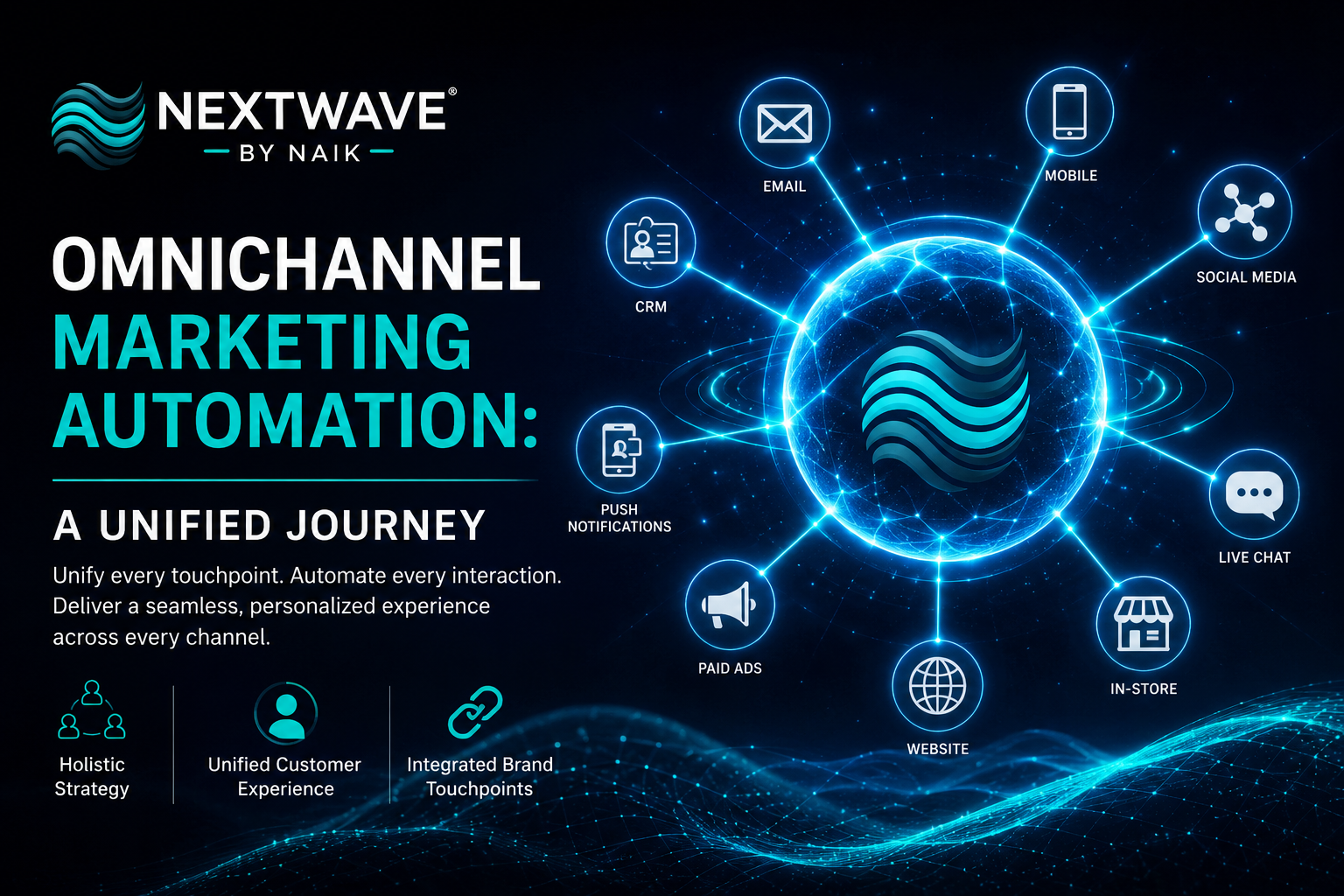
The Foundation of Omnichannel Marketing Automation
At the center of omnichannel success lies automation. Marketing automation tools help businesses coordinate communication across websites, emails, social media, SMS campaigns, and CRM platforms.
A reliable Omnichannel Marketing Strategy focuses on customer behavior rather than isolated channels. Instead of treating each platform separately, businesses should design campaigns that guide customers smoothly from one interaction to another.
For example, a customer who downloads an eBook from a website may later receive a personalized email recommendation. If they engage with the email but do not complete a purchase, automated retargeting ads can remind them about the product. This creates a connected experience through Integrated Brand Touchpoints that encourages conversions.
Creating a Unified Customer Experience
Building a strong Unified Customer Experience requires consistency. Customers should receive the same brand tone, messaging, and quality regardless of where they interact with the company.
Businesses can achieve this by:
- Centralizing customer data
- Aligning marketing teams
- Maintaining consistent branding
- Using AI-powered automation tools
- Personalizing customer journeys
When brands implement a Holistic Strategy, they eliminate communication gaps that often frustrate customers. Consistency improves trust and makes customers more likely to engage with future campaigns.
Personalization also plays a major role in omnichannel automation. Customers expect tailored experiences based on their interests and previous interactions. By analyzing customer behavior, businesses can deliver highly relevant content that increases engagement and conversion rates.
The Role of Integrated Brand Touchpoints
Modern marketing success depends on creating meaningful Integrated Brand Touchpoints throughout the customer journey. Every interaction should contribute to a unified brand narrative.
Touchpoints may include:
- Social media interactions
- Website visits
- Email campaigns
- Mobile notifications
- Customer support chats
- Online advertisements
- In-store experiences
A strong Holistic Strategy ensures these touchpoints work together instead of functioning independently. When every channel communicates effectively, businesses can guide customers smoothly through the sales funnel.
For example, a user who engages with a social media advertisement can later receive a personalized email based on that interaction. This integration creates continuity and keeps the customer engaged throughout the journey.
Benefits of Omnichannel Marketing Automation
Businesses that invest in omnichannel automation gain several competitive advantages. A well-executed Omnichannel Marketing Strategy improves operational efficiency while delivering better customer experiences.
Improved Customer Engagement
Customers are more likely to engage with brands that provide personalized and consistent experiences across all platforms.
Higher Conversion Rates
A seamless Unified Customer Experience reduces friction during the buying process and encourages customers to complete purchases.
Better Customer Retention
Consistent engagement helps businesses build long-term relationships and improve customer loyalty.
Data-Driven Decision Making
Marketing automation platforms collect valuable customer insights that help businesses optimize campaigns and improve performance.
Enhanced Brand Consistency
Strong Integrated Brand Touchpoints ensure customers receive the same messaging and experience regardless of the communication channel.
How AI Enhances Omnichannel Marketing
Artificial intelligence is transforming omnichannel marketing automation by improving personalization and predictive analytics. AI tools can analyze customer behavior patterns and automate responses in real time.
Businesses using AI-powered automation can:
- Predict customer preferences
- Automate personalized recommendations
- Optimize campaign timing
- Improve customer segmentation
- Enhance lead nurturing
Combining AI with a Holistic Strategy allows brands to create highly efficient customer journeys that improve engagement and sales performance.
Best Practices for Building an Omnichannel Strategy
To build a successful omnichannel framework, businesses should follow several important practices.
Understand the Customer Journey
Mapping the customer journey helps businesses identify gaps and optimize interactions across channels.
Use Centralized Data Platforms
A unified database improves personalization and ensures consistency throughout the customer experience.
Automate Responsibly
Automation should enhance customer interactions rather than replace genuine engagement.
Maintain Consistent Branding
Every touchpoint should reflect the same brand identity and messaging style.
Continuously Optimize Campaigns
Businesses should regularly analyze campaign performance and adjust strategies based on customer behavior.
The Future of Omnichannel Marketing Automation
As digital technologies continue to evolve, omnichannel marketing automation will become even more sophisticated. Customers increasingly expect brands to deliver frictionless experiences across every platform.
Businesses that prioritize a strong Holistic Strategy will be better positioned to adapt to changing consumer expectations and market trends. Automation, AI, and customer-centric experiences will continue to shape the future of digital marketing.
Organizations that focus on delivering a seamless Unified Customer Experience through connected and Integrated Brand Touchpoints will gain a significant competitive advantage in the digital marketplace.
Conclusion
Omnichannel marketing automation is no longer optional for modern businesses. Customers expect seamless interactions across every communication channel, and brands that fail to deliver consistent experiences risk losing engagement and loyalty.
By implementing a strong Holistic Strategy, businesses can unify customer interactions, improve operational efficiency, and create highly personalized marketing campaigns. A successful Omnichannel Marketing Strategy powered by automation helps brands deliver a seamless Unified Customer Experience through connected Integrated Brand Touchpoints.
Companies that embrace omnichannel automation today will build stronger customer relationships, increase conversions, and position themselves for long-term digital success.