
Decentralized Web Marketing: Building Powerful Brands in the Web3 Revolution
The internet is rapidly evolving beyond traditional centralized platforms, creating a new digital ecosystem powered by blockchain, transparency, ownership, and user-driven interactions. Businesses that want to stay competitive must understand how the decentralized web is reshaping communication, customer engagement, and online branding. Today, Decentralized Web Marketing is becoming one of the most important approaches for companies exploring long-term growth in the digital economy.
Web3 technologies are introducing a future where users own their data, creators control their content, and brands interact directly with communities without depending entirely on centralized platforms. As businesses adopt new online strategies, understanding Web3 Marketing Trends and implementing a Future-Proof Digital Strategy are essential for sustainable success.
Understanding the Decentralized Web
The decentralized web, commonly referred to as Web3, represents the next evolution of the internet. Unlike Web2 platforms that store user information on centralized servers, Web3 operates through blockchain networks where data is distributed, secure, and transparent.
This transformation is significantly impacting digital marketing. Traditional advertising models that rely heavily on cookies, centralized algorithms, and third-party data are gradually losing effectiveness. In contrast, Decentralized Web Marketing focuses on transparency, user trust, community participation, and tokenized engagement models.
Businesses investing in Blockchain Web Development are creating platforms that allow users to control identities, digital assets, and interactions more securely. This shift provides brands with opportunities to build stronger and more authentic relationships with audiences.
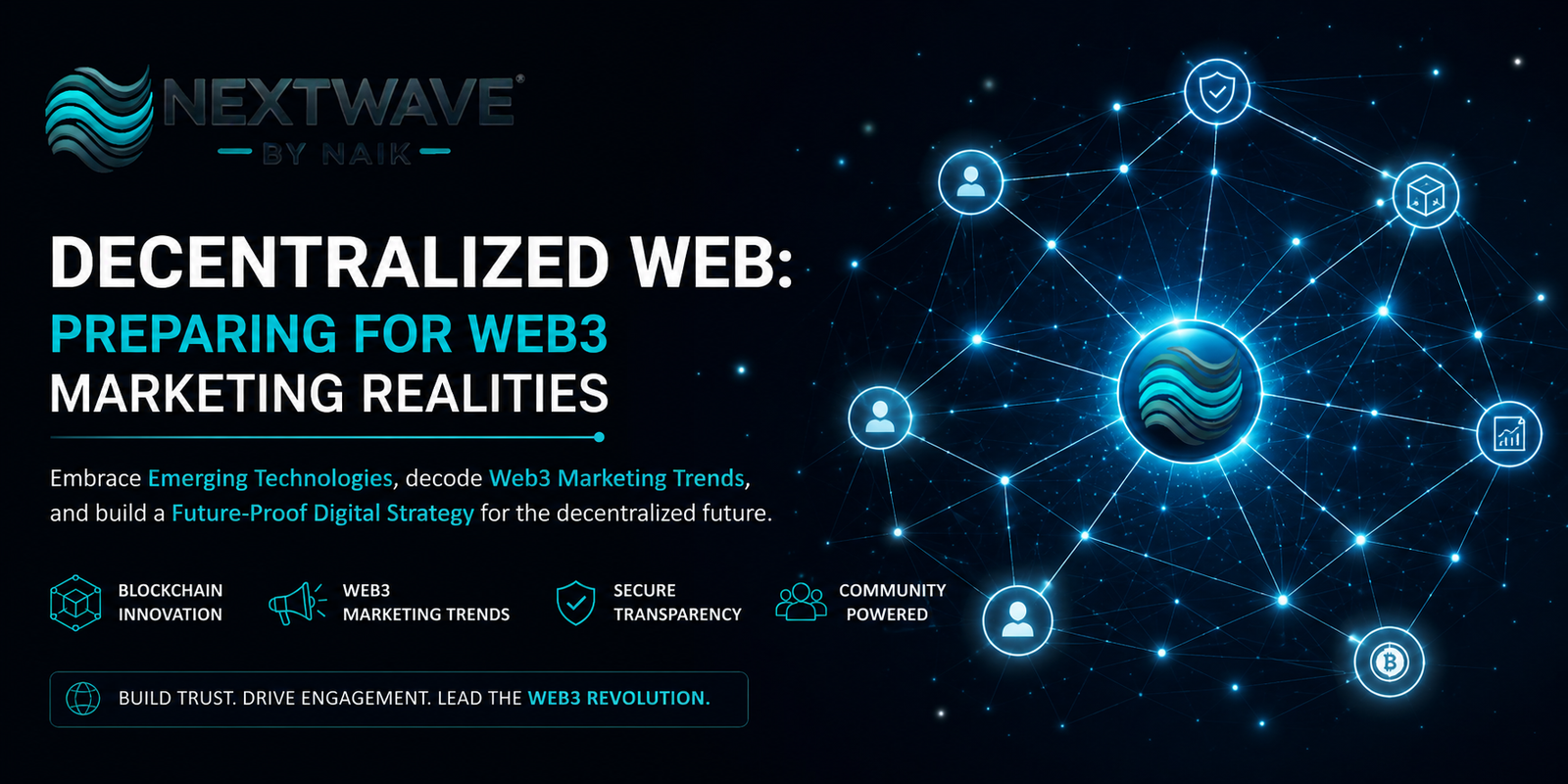
Why Web3 Marketing Matters for Modern Brands
Consumers are becoming increasingly aware of privacy concerns and data ownership issues. As decentralized technologies grow, users prefer platforms that offer transparency and greater control over personal information.
This change is driving the rapid growth of Web3 Marketing Trends across industries including finance, gaming, eCommerce, entertainment, healthcare, and education. Brands that adapt early can establish authority and innovation leadership in emerging digital spaces.
A strong Future-Proof Digital Strategy now includes:
- Community-driven engagement
- Blockchain-powered loyalty programs
- NFT-based brand experiences
- Decentralized applications
- Tokenized reward ecosystems
- Secure peer-to-peer interactions
These technologies are helping businesses reduce dependency on centralized advertising systems while creating deeper customer loyalty.
The Role of Blockchain in Digital Marketing
One of the biggest advantages of blockchain technology is transparency. Every transaction, interaction, or digital asset transfer can be securely verified. This capability is transforming advertising authenticity and customer trust.
Through Blockchain Web Development, marketers can create campaigns with verified impressions, fraud-resistant advertising models, and transparent analytics. Blockchain also allows businesses to reward users directly through tokens, digital collectibles, or exclusive membership access.
For example, brands can launch NFT loyalty programs where customers receive unique digital rewards for engagement, purchases, or referrals. These strategies improve retention while supporting long-term community building.
As Decentralized Web Marketing continues evolving, blockchain will become increasingly important for secure customer interactions and decentralized brand ecosystems.
Web3 Marketing Trends Shaping the Future
Several important Web3 Marketing Trends are influencing how businesses communicate online.
Community-First Branding
Web3 communities are built around participation rather than passive consumption. Successful brands encourage users to contribute ideas, vote on developments, and participate in digital governance.
Tokenized Customer Engagement
Businesses are using digital tokens to reward loyal users, encourage referrals, and increase engagement. Token economies help brands create long-term value for customers.
Decentralized Social Platforms
Traditional social networks are facing increasing competition from decentralized platforms that prioritize user ownership and data privacy. Marketers must prepare for changing audience behaviors across these networks.
NFT-Based Experiences
NFTs are no longer limited to art collections. Brands are using them for memberships, event access, product authentication, and customer loyalty programs.
Privacy-Focused Advertising
As cookie-based tracking declines, companies are shifting toward transparent, permission-based marketing systems supported by blockchain infrastructure.
These innovations highlight why Decentralized Web Marketing is becoming a critical part of digital transformation strategies.
Building a Future-Proof Digital Strategy
Companies that want long-term online growth must develop adaptable systems capable of supporting emerging technologies. A successful Future-Proof Digital Strategy combines innovation, scalability, and customer trust.
Businesses should focus on:
Investing in Blockchain Infrastructure
Modern websites and applications should support secure decentralized integrations, digital wallets, and blockchain-based authentication systems.
Enhancing User Ownership
Customers increasingly value ownership of digital assets, identities, and online experiences. Brands that support this shift gain higher trust and stronger engagement.
Prioritizing Transparency
Transparency is central to Web3 ecosystems. Open communication, verifiable transactions, and secure interactions improve brand credibility.
Creating Community Ecosystems
The future of digital marketing depends heavily on communities rather than one-way advertising. Businesses should encourage collaboration and participation across digital platforms.
Adapting to Emerging Technologies
Artificial intelligence, blockchain, metaverse experiences, and decentralized finance are reshaping online engagement. Integrating these technologies strengthens long-term competitiveness.
By adopting these practices, businesses can build scalable and resilient systems that align with the future internet landscape.
Challenges of Decentralized Web Adoption
While the opportunities are significant, adopting Web3 technologies also comes with challenges.
Technical Complexity
Implementing advanced Blockchain Web Development solutions often requires specialized expertise and infrastructure planning.
Regulatory Uncertainty
Global regulations surrounding blockchain, cryptocurrencies, and digital assets continue evolving, making compliance a critical consideration.
User Education
Many users are still unfamiliar with decentralized systems, wallets, and blockchain interactions. Businesses must simplify onboarding experiences.
Scalability Concerns
Some blockchain networks face transaction speed and scalability limitations that may impact user experiences.
The Future of Decentralized Web Marketing
The next generation of internet users will expect greater transparency, personalization, and ownership in digital experiences. Businesses that prepare now will be better positioned to thrive in this evolving environment.
As Emerging Technologies in Marketing continue advancing, Web3 ecosystems will become increasingly integrated into mainstream business operations. Brands that embrace decentralized systems, blockchain innovation, and community-driven engagement will lead the future digital economy.
The rise of Web3 Marketing Trends is not simply a temporary innovation cycle. It represents a major shift in how businesses connect with audiences online. Through strategic planning, secure infrastructure, and customer-focused innovation, organizations can build a sustainable Future-Proof Digital Strategy that supports long-term success.
Ultimately, Decentralized Web Marketing is redefining digital engagement by empowering users, increasing transparency, and creating entirely new opportunities for businesses in the Web3 era.