
Website as a Sales Tool: 9 Proven Strategies to Turn Your Website into a 24/7 Sales Consultant
Website as a Sales Tool is no longer just a marketing concept—it’s a necessity for businesses that want to generate leads, increase conversions, and grow consistently. Many companies still treat their websites like digital brochures that simply display products, services, and contact information. While that may have worked years ago, today’s customers expect far more.
Modern buyers research online before making purchasing decisions. They compare competitors, read reviews, explore service pages, and evaluate credibility long before contacting a business. If your website isn’t actively guiding visitors through this buying process, you’re missing valuable opportunities every single day.
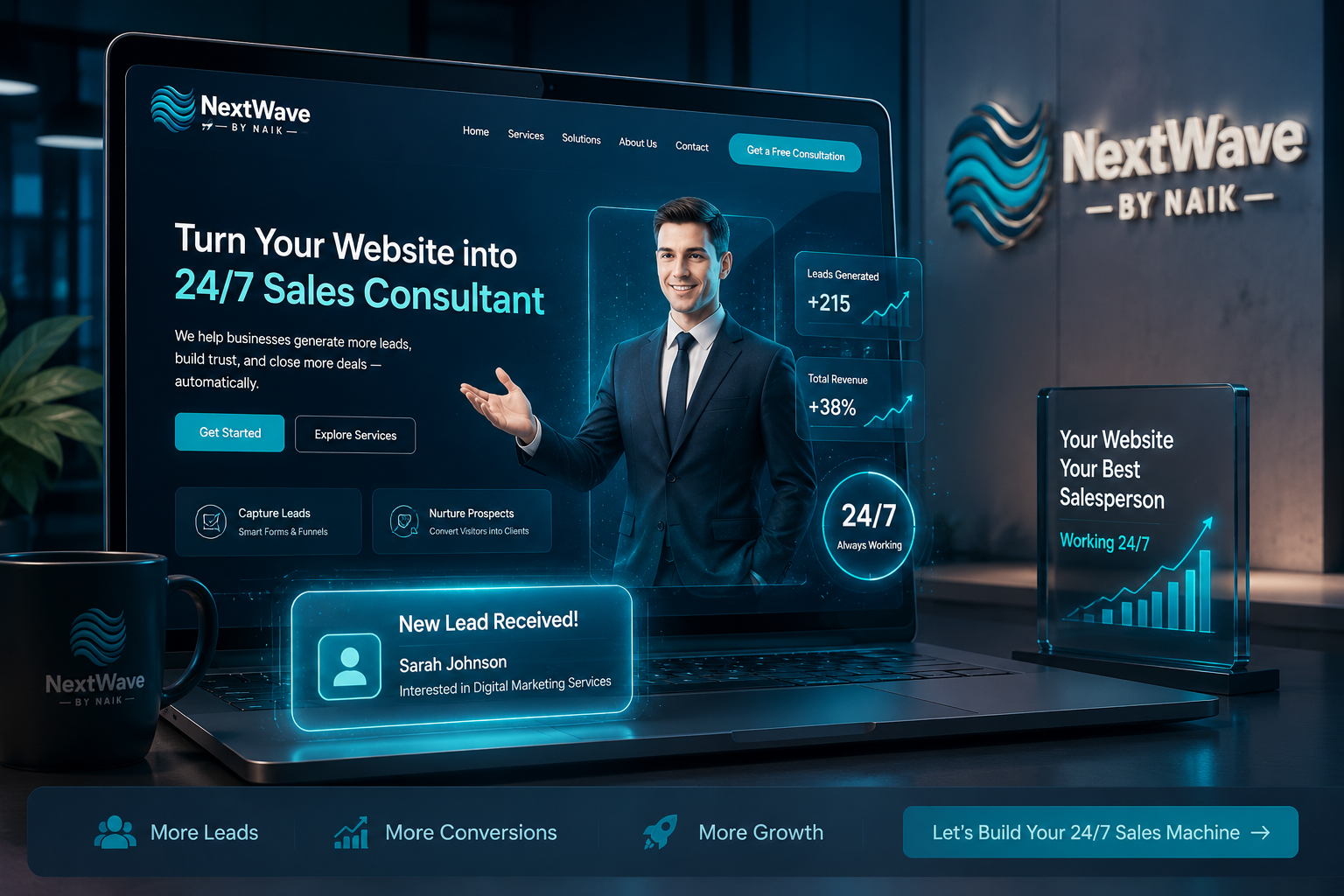
A conversion-focused website works around the clock by educating visitors, answering their questions, building trust, and encouraging them to take action. Instead of waiting for your sales team, your website becomes your most reliable salesperson.
In this guide, you’ll discover how to transform your website into a powerful sales engine that supports your digital sales journey, improves website lead generation, and helps your business grow continuously.
Why Every Business Needs a Website as a Sales Tool
A website should do much more than explain what your business offers. It should influence purchasing decisions and simplify the customer’s journey.
When designed strategically, a website can:
- Generate qualified leads 24/7
- Build customer trust instantly
- Educate potential buyers
- Answer common questions
- Reduce sales cycle length
- Increase conversion rates
- Support your sales team
Businesses that view their Website as a Sales Tool consistently outperform those using outdated brochure-style websites.
1. Design with Conversion in Mind
An attractive website isn’t enough.
A successful conversion-focused website encourages visitors to complete specific actions such as:
- Requesting a quote
- Booking consultations
- Downloading resources
- Calling your business
- Completing inquiry forms
Every page should have one clear objective supported by strategically placed Call-to-Action (CTA) buttons.
Simple navigation, clear messaging, and user-friendly layouts significantly improve conversions.
2. Guide Visitors Through the Digital Sales Journey
Customers rarely purchase immediately after visiting a website.
Instead, they move through different stages of the digital sales journey:
Awareness
Visitors discover your business through SEO, social media, or advertisements.
Consideration
They compare your solutions with competitors.
Decision
They look for trust signals before making contact.
Your website should provide the right information at every stage through blogs, FAQs, testimonials, pricing guidance, and service pages.
3. Build Trust from the First Impression
People buy from businesses they trust.
Include credibility-building elements like:
- Client testimonials
- Case studies
- Industry certifications
- Awards
- Customer reviews
- Success stories
- Professional team profiles
Trust signals reduce hesitation and increase inquiry rates.
The stronger your credibility, the better your website lead generation performance becomes.
4. Optimize Every Landing Page
Every service page should function like an independent salesperson.
High-performing landing pages include:
- Clear headlines
- Customer-focused messaging
- Benefits instead of features
- Strong CTA buttons
- Contact forms
- Frequently Asked Questions
- Relevant visuals
Each page should solve a specific customer problem rather than simply describe your services.
5. Improve Website Speed and User Experience
Visitors leave slow websites quickly.
Fast-loading websites improve:
- SEO rankings
- User satisfaction
- Conversion rates
- Session duration
- Mobile performance
Business website optimization includes:
- Compressing images
- Fast hosting
- Browser caching
- Clean coding
- Mobile responsiveness
A fast website keeps users engaged throughout their buying journey.
6. Use SEO to Attract Qualified Traffic
Your website cannot generate sales without visitors.
Search Engine Optimization helps your business appear when customers actively search for solutions.
Create optimized content around relevant keywords, including:
- Website as a Sales Tool
- Conversion-Focused Website
- Digital Sales Journey
- Website Lead Generation
- Business Website Optimization
Publishing valuable blog content regularly establishes authority while increasing organic traffic.
7. Capture Leads Before Visitors Leave
Most visitors won’t contact you during their first visit.
Offer valuable resources like:
- Free consultations
- Checklists
- Industry guides
- E-books
- Website audits
- Price estimators
Collect visitor information through short, simple forms.
Lead capture tools keep potential customers engaged until they’re ready to purchase.
8. Use Analytics to Improve Performance
Data reveals what’s working.
Monitor important metrics including:
- Bounce rate
- Conversion rate
- Time on page
- Click-through rate
- Form submissions
- Traffic sources
Regular analysis helps identify opportunities for improvement and strengthens your Website as a Sales Tool strategy.
Continuous optimization produces better long-term results.
9. Keep Optimizing for Better Conversions
Your website should evolve with customer expectations.
Regular updates include:
- Fresh blog content
- New testimonials
- Updated services
- Improved CTAs
- Better landing pages
- SEO enhancements
- Performance improvements
Businesses that continually improve their websites consistently achieve stronger lead generation and higher sales.
Common Mistakes That Limit Website Sales
Many businesses unintentionally reduce their website’s effectiveness by making avoidable mistakes.
Common issues include:
- Slow loading pages
- Weak Call-to-Action buttons
- Outdated design
- Poor mobile experience
- Confusing navigation
- Thin content
- Missing trust signals
- Long contact forms
- No SEO strategy
Addressing these problems significantly improves your conversion-focused website performance.
The Future of Website Sales
Customer expectations continue to evolve.
Modern websites increasingly use:
- AI-powered chat support
- Personalized user experiences
- Interactive calculators
- Video content
- Smart lead forms
- Marketing automation
- CRM integration
Businesses embracing these technologies create smoother digital sales journeys while increasing customer satisfaction.
Conclusion
A modern Website as a Sales Tool does far more than showcase products or services. It actively attracts visitors, educates prospects, builds trust, captures leads, and supports customers throughout every stage of the buying process. Instead of acting as a static online brochure, it becomes a valuable sales consultant that works 24 hours a day, 7 days a week.
By investing in a conversion-focused website, optimizing the digital sales journey, strengthening website lead generation, and focusing on continuous business website optimization, you can create an online presence that consistently delivers measurable business growth.
If your website isn’t generating inquiries while you sleep, it’s time to redesign it into a powerful sales asset that works for your business every day of the year.