
Email Marketing Automation: 7 Proven Sequences That Convert More Leads
In today’s competitive digital landscape, attracting leads is only the first step. The real challenge lies in nurturing prospects effectively until they are ready to make a purchase. This is where Email Marketing Automation becomes a game-changing strategy for businesses looking to increase engagement, build trust, and drive conversions consistently.
Rather than manually sending emails to every prospect, businesses can create automated workflows that deliver the right message at the right time. From onboarding new subscribers to re-engaging inactive customers, automated email sequences help maintain meaningful communication throughout the customer journey.
Let’s explore how Email Marketing Automation works and the seven most effective sequences that consistently convert leads into customers.
What Is Email Marketing Automation?
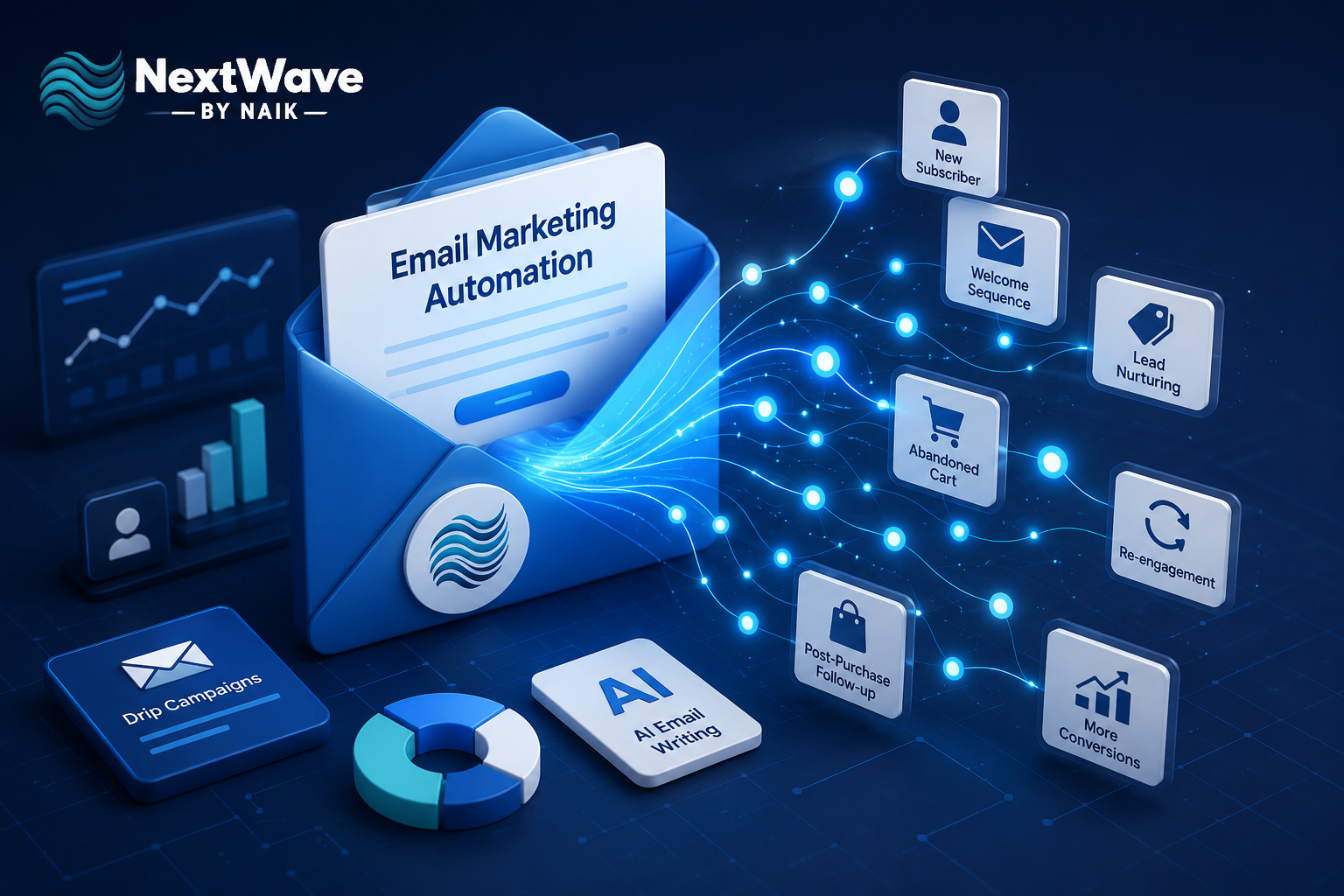
Email Marketing Automation is the process of using software and predefined triggers to send personalized emails automatically based on user actions, behaviors, or timelines.
Instead of sending one-time promotional emails, businesses can build intelligent workflows that guide subscribers through every stage of the sales funnel. These workflows save time, improve efficiency, and ensure that every lead receives relevant communication.
Modern automation platforms leverage customer data, behavioral insights, and even AI email writing tools to create highly personalized experiences that improve engagement and conversion rates.
Why Businesses Need Email Marketing Automation
Consumers today expect personalized interactions. Generic emails often get ignored, while targeted messages generate stronger responses.
The benefits of Email Marketing Automation include:
- Higher open and click-through rates
- Improved lead nurturing processes
- Increased sales opportunities
- Better customer retention
- Reduced manual marketing efforts
- Enhanced customer experience
- Scalable communication strategies
Businesses that implement automation effectively often see significant improvements in both customer engagement and revenue generation.
1. Welcome Email Sequence
First impressions matter.
A welcome sequence is often the first automated workflow businesses create. When someone subscribes to your email list, they are most engaged during the first few days.
An effective welcome sequence typically includes:
- Introduction to your brand
- Company values and mission
- Product or service overview
- Helpful resources
- Clear next steps
This type of Email Marketing Automation helps establish trust immediately while guiding subscribers toward meaningful engagement.
2. Lead Nurturing Campaigns
Not every lead is ready to buy immediately.
Lead nurturing sequences educate prospects over time, helping them understand their challenges and discover how your solution can help.
A typical lead nurturing workflow may include:
- Educational blog content
- Industry insights
- Case studies
- Success stories
- Product demonstrations
By delivering valuable information consistently, businesses stay top-of-mind until prospects are ready to make a purchasing decision.
Strong lead nurturing strategies often produce higher conversion rates than direct sales-focused campaigns.
3. Drip Campaigns for Customer Education
Drip campaigns are a core component of successful automation strategies.
These campaigns deliver a series of emails over a predetermined schedule. Each email builds upon the previous one, gradually moving subscribers toward a desired action.
Examples include:
- Product onboarding
- Educational training series
- Free trial guidance
- Service implementation support
- Course delivery sequences
Well-designed drip campaigns ensure that users receive information when they need it most, increasing engagement and reducing confusion.
4. Abandoned Cart Recovery Sequence
E-commerce businesses lose substantial revenue from abandoned shopping carts.
An automated cart recovery sequence can remind customers about unfinished purchases and encourage them to complete the transaction.
A successful sequence often includes:
- Friendly reminders
- Product benefits
- Customer reviews
- Limited-time incentives
- Urgency-driven messaging
Using Email Marketing Automation for abandoned cart recovery helps businesses recover lost sales with minimal effort.
5. Re-Engagement Campaigns
Inactive subscribers can negatively impact email performance metrics.
Re-engagement campaigns are designed to reconnect with users who haven’t opened or clicked emails for an extended period.
These sequences may include:
- Personalized offers
- Updated product information
- Customer surveys
- Exclusive content
- Preference update requests
Through strategic Email Marketing Automation, businesses can revive dormant contacts and maintain a healthier email list.
6. Post-Purchase Follow-Up Sequence
The customer journey doesn’t end after a sale.
Post-purchase automation helps businesses strengthen customer relationships and increase lifetime value.
Effective follow-up emails may include:
- Order confirmations
- Product usage tips
- Customer support resources
- Cross-sell recommendations
- Review requests
These automated interactions create positive customer experiences while opening opportunities for repeat purchases.
7. AI-Powered Personalized Email Sequences
One of the biggest trends transforming automation is AI email writing.
Artificial intelligence helps marketers create personalized content faster and more effectively by analyzing customer behavior and engagement patterns.
AI-powered automation can:
- Generate personalized subject lines
- Create tailored email content
- Recommend products automatically
- Predict optimal sending times
- Improve segmentation strategies
When combined with Email Marketing Automation, AI allows businesses to deliver highly relevant messaging at scale.
Best Practices for Email Marketing Automation Success
To maximize the effectiveness of your automated campaigns, follow these proven best practices:
Segment Your Audience
Different audiences require different messaging. Segment subscribers based on:
- Demographics
- Purchase history
- Website behavior
- Engagement level
- Interests
Focus on Personalization
Personalized emails consistently outperform generic messages. Use customer data to create relevant experiences throughout your automation workflows.
Optimize Email Timing
Sending emails at the right moment significantly impacts engagement rates. Automated triggers based on user behavior often perform better than fixed schedules.
Test and Improve
Continuously monitor:
- Open rates
- Click-through rates
- Conversion rates
- Unsubscribe rates
A/B testing subject lines, content, and calls-to-action can reveal valuable optimization opportunities.
Maintain Content Quality
Even the best automation system cannot compensate for poor content. Every email should provide value and support the customer’s journey.
The Future of Email Marketing Automation
As marketing technology continues to evolve, Email Marketing Automation is becoming increasingly sophisticated. Advanced analytics, predictive behavior tracking, and AI-driven personalization are helping businesses create more effective customer experiences than ever before.
Companies that invest in automation today gain a competitive advantage through improved efficiency, stronger customer relationships, and higher conversion rates.
Whether you’re implementing drip campaigns, enhancing lead nurturing efforts, or leveraging AI email writing, automation provides the foundation for scalable and sustainable email marketing success.
Conclusion
Email Marketing Automation has transformed how businesses communicate with prospects and customers. By delivering timely, relevant, and personalized messages, automated sequences help nurture leads, recover lost opportunities, and increase customer loyalty.
From welcome emails and drip campaigns to advanced lead nurturing workflows and AI email writing, the right automation strategy can significantly improve engagement and conversion performance. Businesses that embrace automation today position themselves for long-term growth, stronger customer relationships, and higher marketing ROI.