
Designing Multi-Vendor Marketplaces on WordPress
The rise of online marketplaces has transformed the way businesses sell products and services. From global giants to niche platforms, marketplace business models continue to dominate digital commerce. If you’re planning to launch your own marketplace, choosing a WordPress Multi-Vendor Marketplace can provide flexibility, affordability, and complete ownership over your platform.
WordPress powers a significant portion of the web because of its scalability and extensive ecosystem. By combining WordPress with specialized marketplace tools, entrepreneurs can create sophisticated multi-vendor platforms where multiple sellers manage their products, orders, and customers independently.
In this guide, you’ll discover how to design a high-performing marketplace, choose the right plugins, optimize vendor experiences, and build a future-ready e-commerce ecosystem.
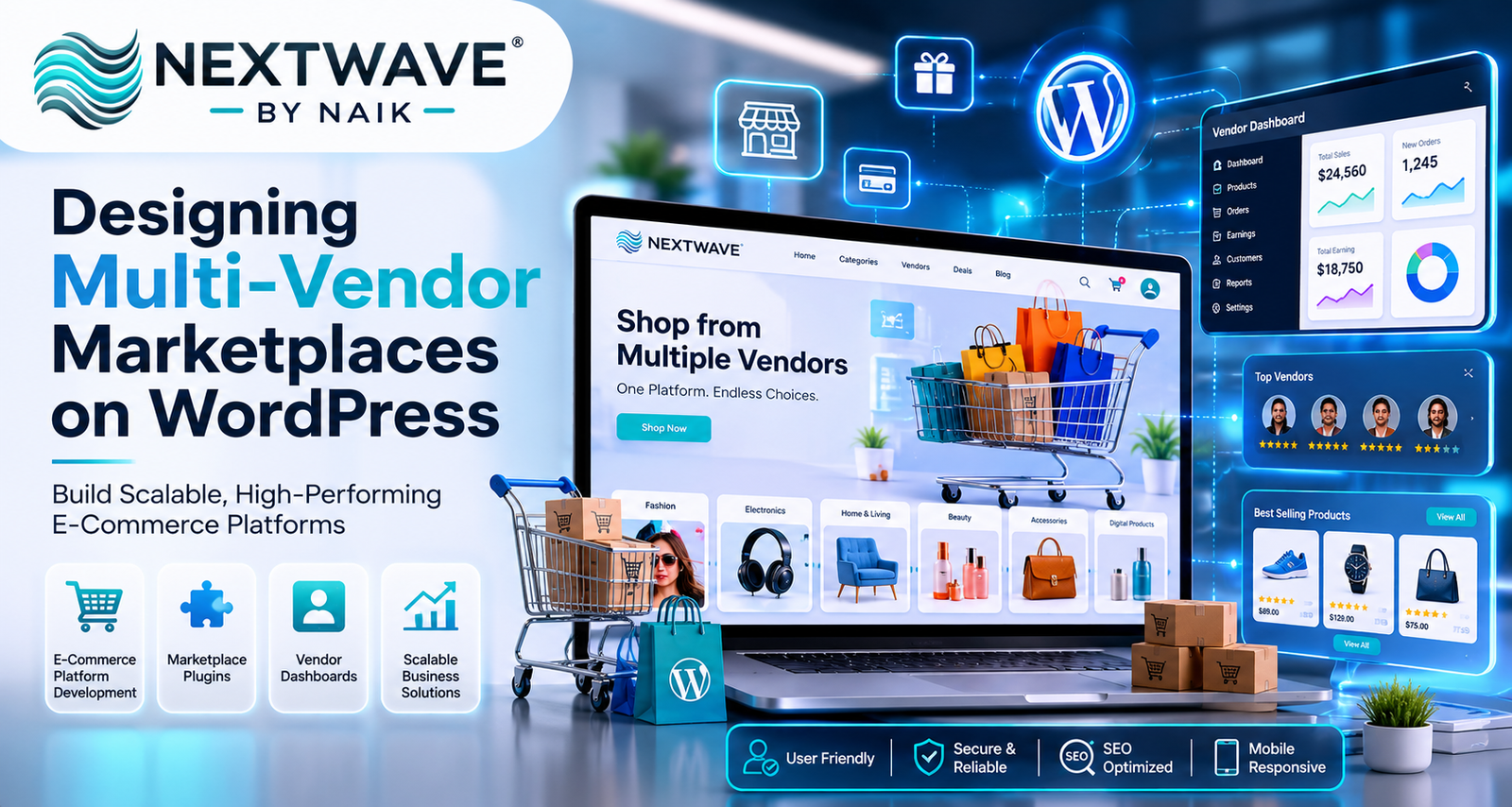
What Is a WordPress Multi-Vendor Marketplace?
A WordPress Multi-Vendor Marketplace is an e-commerce website where multiple vendors can register, create storefronts, list products, and process orders through a centralized platform managed by an administrator.
Unlike traditional online stores operated by a single seller, multi-vendor marketplaces distribute operations among numerous merchants. The marketplace owner earns revenue through commissions, subscriptions, listing fees, or premium vendor services.
Popular examples of multi-vendor business models include fashion marketplaces, digital product platforms, service directories, and specialty product hubs.
Why Choose WordPress for Marketplace Development?
WordPress offers significant advantages for entrepreneurs entering the marketplace industry.
1. Cost-Effective Development
Compared to custom-coded solutions, WordPress reduces development expenses while maintaining robust functionality. Businesses can launch quickly and allocate budgets toward marketing and growth.
2. Extensive Plugin Ecosystem
The availability of advanced marketplace plugins allows businesses to add vendor management, payment systems, shipping configurations, and analytics without extensive coding.
3. Scalability
A properly optimized WordPress Multi-Vendor Marketplace can support growing traffic, expanding product catalogs, and increasing numbers of vendors.
4. SEO Advantages
WordPress provides a strong SEO foundation, helping marketplaces improve visibility and attract organic traffic through optimized content structures.
Essential Features of a Successful Marketplace
Building a thriving marketplace requires more than simply installing plugins. The platform should deliver exceptional experiences for vendors and customers alike.
Vendor Registration and Approval
A streamlined onboarding process encourages quality sellers to join your marketplace. Administrators should have the ability to:
- Review vendor applications
- Verify documentation
- Approve or reject registrations
- Define commission structures
Efficient onboarding strengthens the credibility of a WordPress Multi-Vendor Marketplace.
Powerful Vendor Dashboards
One of the most critical components of marketplace success is intuitive vendor dashboards.
Vendors should easily manage:
- Product listings
- Inventory updates
- Order processing
- Customer communication
- Sales reports
- Earnings withdrawals
- Promotional campaigns
Well-designed dashboards reduce administrative workload and increase vendor satisfaction.
Product Management Flexibility
Different marketplaces support different product types.
Examples include:
- Physical products
- Digital downloads
- Subscription services
- Bookings and appointments
- Variable products
- Auction listings
Your WordPress Multi-Vendor Marketplace should accommodate your business model while remaining user-friendly.
Secure Payment Processing
Trust is essential in online commerce.
Marketplace payment systems should support:
- Multiple gateways
- Automated commission distribution
- Refund management
- Tax calculations
- Withdrawal requests
- Currency compatibility
Reliable payment workflows improve both customer confidence and vendor retention.
Choosing the Right Marketplace Plugins
Selecting suitable marketplace plugins directly impacts performance and functionality.
When evaluating plugins, consider:
Ease of Use
Choose solutions with intuitive interfaces that minimize learning curves for administrators and vendors.
Customization Options
Every marketplace has unique requirements. Flexible plugin settings allow tailored experiences aligned with your brand.
Compatibility
Ensure plugins integrate smoothly with:
- Themes
- Payment gateways
- Shipping providers
- SEO tools
- Marketing platforms
Ongoing Support
Regular updates and responsive support teams help maintain security and compatibility.
Strong plugin choices establish the technical backbone of a reliable WordPress Multi-Vendor Marketplace.
E-Commerce Platform Development Best Practices
Strategic e-commerce platform development ensures long-term success.
Prioritize Mobile Optimization
Mobile commerce continues to expand globally. Responsive designs provide seamless shopping experiences across all devices.
Benefits include:
- Improved conversions
- Lower bounce rates
- Better search visibility
- Enhanced user engagement
Optimize Website Speed
Slow-loading marketplaces frustrate users and negatively affect rankings.
Improve performance by:
- Compressing images
- Using caching solutions
- Selecting quality hosting
- Minimizing unnecessary scripts
- Leveraging content delivery networks
Fast websites contribute significantly to marketplace profitability.
Focus on User Experience
Customers expect effortless navigation.
Enhance usability through:
- Clear categories
- Advanced search filters
- Product reviews
- Wishlists
- Streamlined checkout experiences
- Transparent shipping information
Superior experiences encourage repeat purchases.
Implement Robust Security Measures
Protecting customer and vendor data is non-negotiable.
Security best practices include:
- SSL certificates
- Two-factor authentication
- Regular backups
- Malware monitoring
- User role management
- Scheduled updates
Security strengthens trust in your WordPress Multi-Vendor Marketplace.
Vendor Retention Strategies
Attracting vendors is only the beginning. Retaining them creates sustainable marketplace growth.
Consider offering:
- Competitive commission rates
- Educational resources
- Marketing opportunities
- Performance insights
- Priority support
- Loyalty incentives
Empowered vendors often become long-term marketplace advocates.
SEO Strategies for Marketplace Growth
Search visibility remains essential for attracting buyers and sellers.
Effective SEO practices include:
Keyword Optimization
Integrate WordPress Multi-Vendor Marketplace naturally throughout content, headings, and metadata while maintaining approximately 1.4% keyword density.
Structured Content
Use clear headings, descriptive URLs, and organized category structures.
Content Marketing
Publish guides, vendor success stories, product comparisons, and educational resources targeting audience intent.
Technical SEO
Optimize site architecture, improve loading speeds, and implement schema markup where applicable.
Consistent SEO efforts help marketplaces compete effectively in crowded industries.
The Future of Multi-Vendor Commerce
Consumer preferences continue evolving toward convenience, variety, and personalized experiences. Businesses embracing marketplace models gain access to broader product catalogs without carrying inventory themselves.
A strategically developed WordPress Multi-Vendor Marketplace combines operational efficiency with entrepreneurial flexibility. By leveraging intelligent e-commerce platform development, selecting reliable marketplace plugins, and empowering sellers through intuitive vendor dashboards, organizations can create thriving digital ecosystems that scale alongside market demand.
Whether you’re launching a niche marketplace or pursuing large-scale ambitions, WordPress provides the tools necessary to transform innovative ideas into profitable online ventures.
Conclusion
Building a successful WordPress Multi-Vendor Marketplace requires thoughtful planning, the right technology stack, and a commitment to user experience. From selecting effective marketplace plugins to optimizing vendor dashboards and implementing sound e-commerce platform development practices, every decision contributes to long-term growth.
Businesses that invest in scalable infrastructure, vendor satisfaction, and SEO optimization position themselves for sustained success in the evolving world of digital commerce.
Ready to launch your own WordPress Multi-Vendor Marketplace?
Our team specializes in e-commerce platform development, marketplace architecture, SEO optimization, and custom WordPress solutions tailored to your business goals.
Contact us today to transform your marketplace vision into a powerful revenue-generating platform.