
Robotic Process Automation (RPA) in Digital Marketing: The Future of Agency Efficiency
Digital marketing is evolving rapidly, and agencies are under constant pressure to deliver faster results, better customer experiences, and improved campaign performance. Managing multiple campaigns, tracking analytics, generating reports, handling lead data, and optimizing workflows manually can consume valuable time and resources. This is where RPA Marketing is transforming the digital marketing industry.
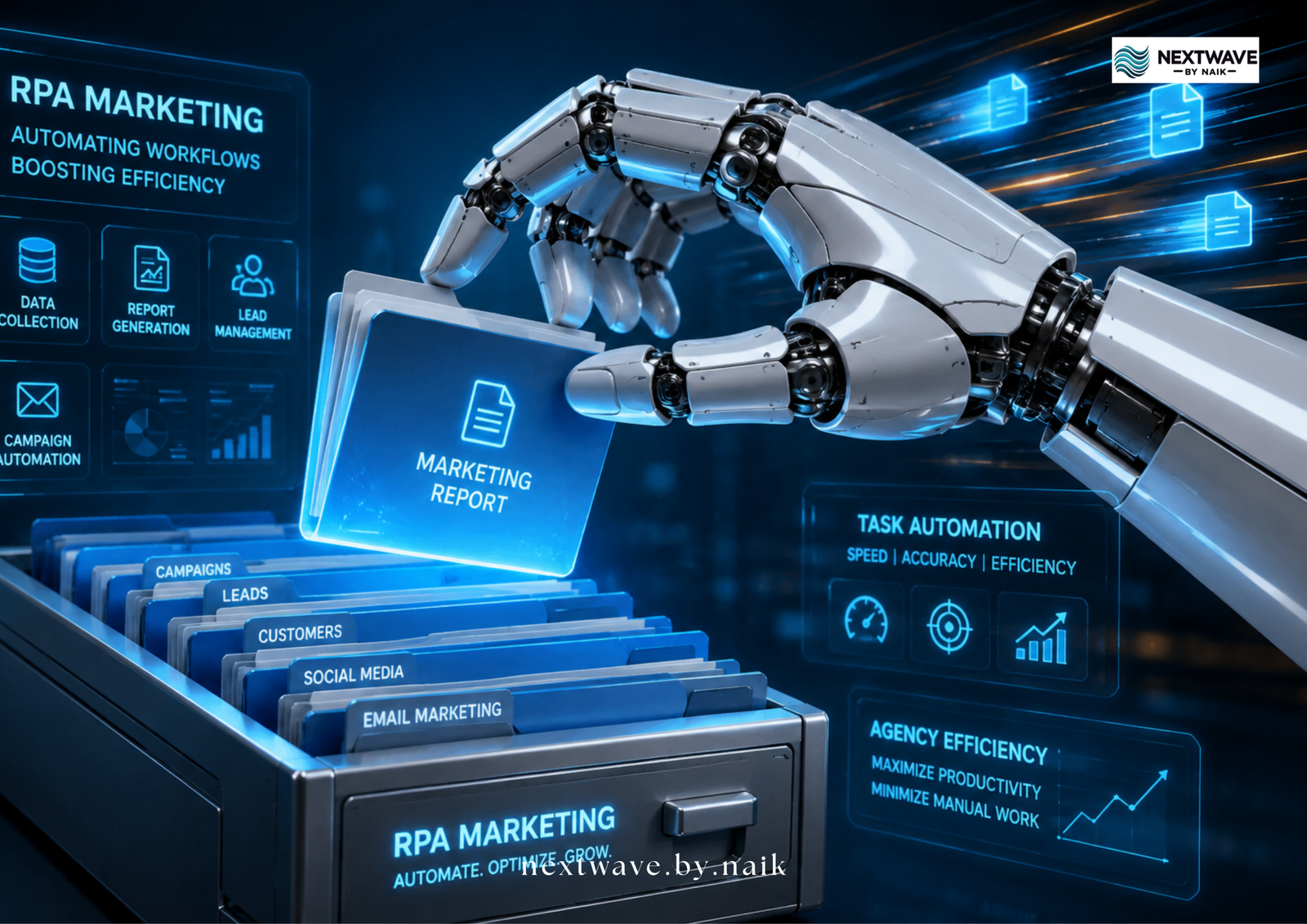
Robotic Process Automation (RPA) enables businesses and marketing agencies to automate repetitive tasks using intelligent software bots. From lead management and campaign scheduling to reporting and customer engagement, RPA helps marketers reduce manual work and improve operational efficiency. As competition increases in the digital landscape, companies are adopting Task Automation Software to streamline workflows and maximize productivity.
Modern businesses require speed, precision, and scalability. RPA solutions allow agencies to automate backend marketing operations while focusing more on strategy, creativity, and customer relationships. This shift toward automation is redefining how digital marketing teams operate and achieve growth.
What is RPA Marketing?
RPA Marketing refers to the use of robotic process automation technology in marketing operations to automate repetitive digital tasks. These automated software bots mimic human actions such as collecting data, updating CRM systems, sending reports, scheduling campaigns, and managing customer interactions.
Unlike traditional automation tools that focus on single functions, RPA integrates across multiple systems and platforms without requiring major software changes. This flexibility makes it one of the most valuable solutions for digital marketing agencies seeking scalability and efficiency.
Marketing teams often spend hours performing repetitive administrative tasks. RPA eliminates these inefficiencies by automating routine processes with high accuracy and speed. Businesses can then allocate more time to strategic planning, creative campaigns, and audience engagement.
Why RPA Marketing is Important for Digital Agencies
The growing complexity of digital campaigns requires agencies to manage large volumes of data and multiple marketing channels simultaneously. Manual processes can slow operations, increase human errors, and reduce campaign effectiveness.
Implementing Task Automation Software provides several benefits for agencies:
1. Improved Agency Efficiency
Automation reduces the workload of repetitive tasks, allowing employees to focus on high-value activities. Agencies can handle more clients and campaigns without significantly increasing manpower.
2. Faster Campaign Execution
RPA bots can automate campaign scheduling, email sequences, social media posting, and performance tracking. This accelerates marketing execution and improves response times.
3. Reduced Human Errors
Manual data entry and reporting errors can negatively affect campaigns. RPA ensures consistency and accuracy in backend marketing operations.
4. Better Data Management
Marketing teams deal with large amounts of customer data daily. RPA tools automatically organize, update, and synchronize information across CRM systems and marketing platforms.
5. Cost Optimization
Automating repetitive workflows lowers operational costs and improves resource allocation. Agencies can scale operations efficiently while maintaining quality.
Key Applications of RPA Marketing
Modern agencies are using RPA Marketing across various digital marketing functions to improve workflow efficiency and campaign performance.
Lead Management Automation
RPA bots can automatically collect lead data from websites, social media ads, email campaigns, and landing pages. The information is then transferred directly into CRM systems without manual input.
This process improves lead response time and reduces data handling errors, helping agencies increase conversion opportunities.
Automated Reporting
Generating marketing reports manually can take hours. RPA tools can gather analytics data from multiple platforms like Google Ads, Facebook Ads, SEO tools, and email marketing software to generate real-time reports automatically.
Automated reporting helps agencies provide faster insights and better performance transparency to clients.
Email Marketing Automation
RPA technology can schedule personalized email campaigns, segment customer lists, and trigger automated follow-up emails based on customer behavior.
This improves customer engagement while reducing manual marketing tasks.
Social Media Workflow Automation
Agencies managing multiple social media accounts can use automation bots to schedule posts, monitor engagement metrics, and track campaign performance across platforms.
This enhances productivity and supports consistent brand communication.
Customer Support Integration
RPA systems can integrate with chatbots and CRM tools to automate customer responses, support tickets, and inquiry routing.
Faster support interactions improve customer satisfaction and overall brand experience.
How RPA Improves Marketing Workflow Automation
Marketing operations involve multiple repetitive processes that consume significant time and resources. Marketing Workflow Automation powered by RPA helps agencies create seamless operational systems.
For example, when a new lead fills out a website form, RPA bots can:
- Capture lead information
- Store data in the CRM
- Send welcome emails
- Notify sales teams
- Assign follow-up tasks
- Update campaign tracking systems
This entire process happens automatically within seconds, eliminating manual intervention and improving workflow efficiency.
Agencies using Digital Marketing Automation can deliver faster services, improve accuracy, and maintain consistent operational quality across all marketing activities.
Benefits of RPA Marketing for Businesses
Businesses adopting RPA Marketing gain a competitive advantage by improving operational speed and customer experience.
Increased Productivity
Automation allows teams to complete tasks faster and manage higher workloads efficiently.
Better Customer Experience
Automated workflows improve response times and ensure smoother customer interactions.
Scalable Operations
RPA enables agencies to expand services without dramatically increasing operational costs.
Enhanced Analytics
Automation tools collect and process marketing data more effectively, helping businesses make informed decisions.
Higher ROI
Reducing manual labor and improving campaign performance leads to better marketing returns.
Challenges of Implementing RPA Marketing
Although RPA provides substantial advantages, agencies may face certain implementation challenges.
Integration Complexity
Some older marketing systems may require additional customization for automation integration.
Initial Investment
Advanced automation platforms may involve setup and training costs.
Process Standardization
Businesses must first standardize workflows before implementing automation successfully.
Employee Adaptation
Teams may need training to work alongside automated systems effectively.
Despite these challenges, the long-term benefits of Agency Efficiency and workflow optimization outweigh the initial investment.
The Future of RPA Marketing
The future of digital marketing is strongly connected to automation and artificial intelligence. As marketing ecosystems become more data-driven, RPA technology will continue to evolve with advanced AI-powered capabilities.
Future trends may include:
- AI-driven campaign optimization
- Predictive customer behavior analysis
- Automated content recommendations
- Advanced customer journey automation
- Intelligent marketing analytics
Businesses that adopt Task Automation Software early will gain a strong competitive advantage in the rapidly evolving digital marketplace.
Conclusion
RPA Marketing is revolutionizing the digital marketing industry by automating repetitive backend operations and improving overall agency performance. From lead management and reporting to campaign automation and customer support, RPA enables businesses to achieve higher productivity, better accuracy, and faster workflows.
As competition continues to grow, agencies must embrace automation technologies to remain scalable and efficient. Investing in Marketing Workflow Automation and Digital Marketing Automation solutions can significantly improve operational performance while allowing teams to focus on innovation and customer engagement.
Companies seeking long-term growth and improved Agency Efficiency should consider implementing RPA strategies as part of their digital transformation journey.