
Google Ads Optimization Secrets: Master Negative Keywords Strategy for Maximum PPC Efficiency
Introduction: Why Smart Optimization Matters in 2026
In today’s competitive digital landscape, running ads is easy—but running profitable ads is a challenge. Businesses often waste a significant portion of their budget targeting the wrong audience. This is where Google Ads Optimization becomes essential.
One of the most powerful yet underutilized techniques is implementing a strong Negative Keywords Strategy. By filtering out irrelevant traffic, you can focus only on high-intent users, improving conversions while reducing wasted spend.
What is Google Ads Optimization?
Google Ads Optimization is the process of improving your campaigns to achieve better performance, higher click-through rates (CTR), and stronger return on investment (ROI).
It involves:
- Refining keyword targeting
- Improving ad copy
- Adjusting bidding strategies
- Eliminating irrelevant traffic
Among these, using negative keywords plays a crucial role in PPC Campaign Optimization.
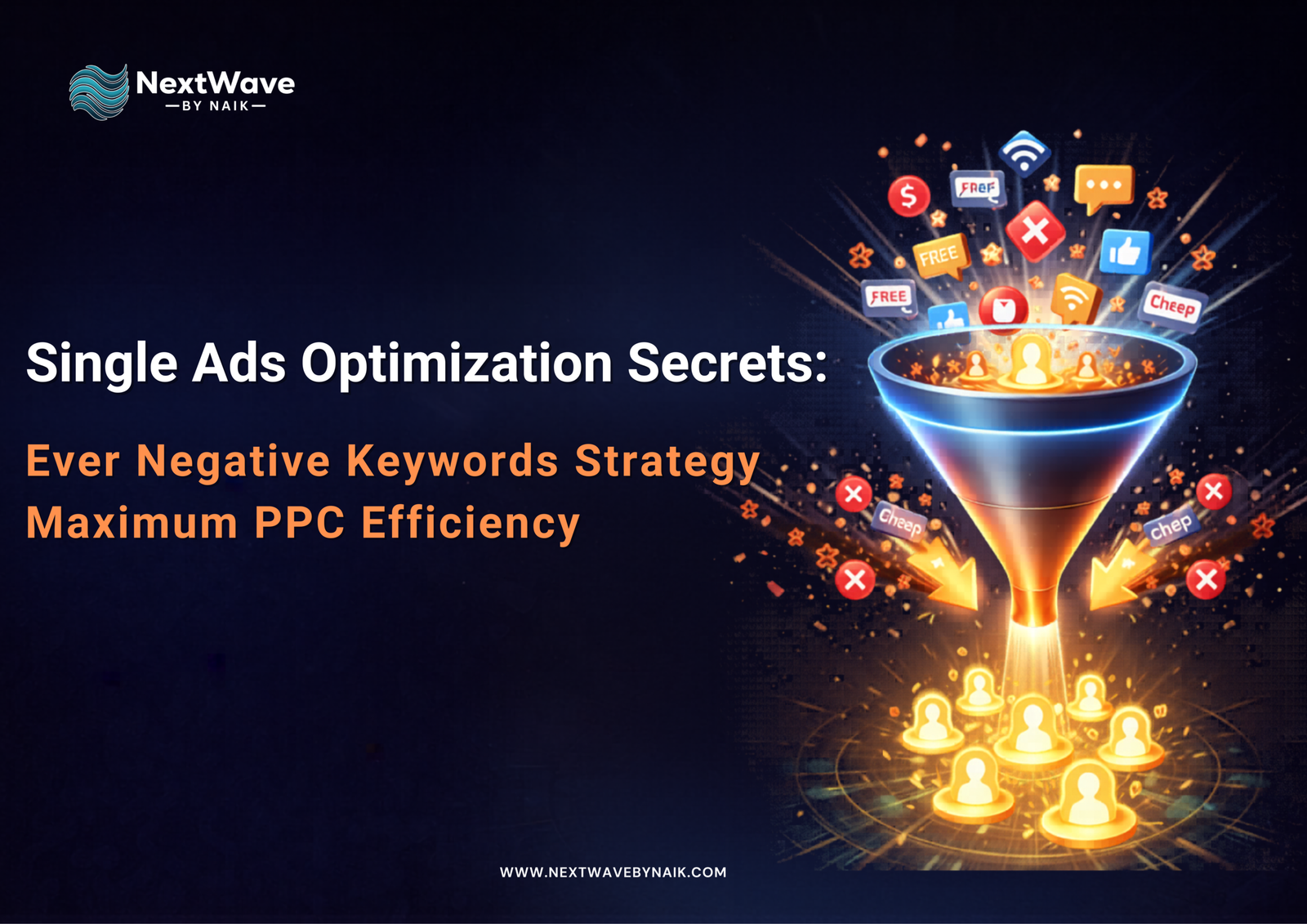
Understanding Negative Keywords Strategy
A Negative Keywords Strategy helps prevent your ads from appearing in irrelevant searches. This ensures your ads are shown only to users who are genuinely interested in your offering.
Example:
If you run a digital marketing agency, you may want to exclude:
- “free services”
- “internship”
- “course”
By doing this, your Targeted Search Ads will attract only potential clients—not job seekers or learners.
Why Negative Keywords Are Critical for PPC Efficiency
Without proper filtering, your ads can appear for unrelated searches, leading to:
- Low-quality traffic
- High bounce rates
- Wasted budget
Using Google Ads Optimization techniques like negative keywords helps you:
1. Reduce Ad Spend Waste
Blocking irrelevant queries ensures your budget is spent only on valuable clicks.
2. Improve Conversion Rates
When your ads reach the right audience, conversions naturally increase.
3. Enhance Ad Relevance
Better targeting improves your Quality Score, reducing cost-per-click (CPC).
4. Strengthen Campaign Focus
A clean keyword list leads to better PPC Campaign Optimization.
Types of Negative Keywords
To fully leverage Google Ads Optimization, you need to understand different types of negative keywords:
1. Negative Broad Match
Blocks searches containing your negative keyword in any order.
2. Negative Phrase Match
Prevents ads from showing when the exact phrase appears in the search.
3. Negative Exact Match
Blocks only the exact keyword phrase.
Using a mix of these ensures a strong Negative Keywords Strategy.
How to Find Negative Keywords
Finding the right negative keywords is essential for effective Targeted Search Ads.
1. Search Terms Report
Analyze actual queries triggering your ads and remove irrelevant ones.
2. Competitor Research
Identify mismatched audience intent from competitor keywords.
3. Keyword Research Tools
Use tools like Google Keyword Planner to discover unwanted variations.
4. Customer Intent Analysis
Understand what your ideal customer is not searching for.
Step-by-Step Guide to Implement Negative Keywords
Step 1: Audit Existing Campaigns
Review your current keywords and identify irrelevant traffic sources.
Step 2: Create a Negative Keyword List
Group keywords based on themes such as:
- Low intent
- Irrelevant services
- Informational searches
Step 3: Apply at Campaign or Ad Group Level
Use campaign-level negatives for broad filtering and ad group-level for precision.
Step 4: Monitor Performance
Regularly check reports to refine your Google Ads Optimization strategy.
Best Practices for Maximum Results
To get the most out of your Negative Keywords Strategy, follow these best practices:
- Update your negative keyword list weekly
- Avoid over-blocking valuable traffic
- Use both short-tail and long-tail negatives
- Align negatives with your business goals
- Continuously test and refine
These practices ensure effective PPC Campaign Optimization and long-term success.
7 Google Ads Optimization Secrets: Master Negative Keywords Strategy for Maximum PPC Efficiency
Secret 1: Eliminate Irrelevant Traffic Early
Use a strong Negative Keywords Strategy to filter out low-intent searches like “free” or “course.”
Secret 2: Use Search Terms Report Weekly
Analyze real search queries and continuously refine your Ads Optimization approach.
Secret 3: Segment Negative Keywords Smartly
Group negatives into:
- Low intent
- Irrelevant audience
- Informational queries
This improves PPC Campaign Optimization.
Secret 4: Combine All Match Types
Use:
- Broad
- Phrase
- Exact
This creates a powerful and precise filtering system.
Secret 5: Apply Negatives at the Right Level
- Campaign level → broad filtering
- Ad group level → precise targeting
This boosts Targeted Search Ads performance.
Secret 6: Avoid Over-Blocking Traffic
Too many negatives can limit reach. Balance is key in Ads Optimization.
Secret 7: Continuously Test and Optimize
Update your list regularly based on:
- Performance data
- Trends
- User intent
Common Mistakes to Avoid
Even experienced marketers make mistakes that reduce efficiency.
1. Ignoring Search Term Reports
This leads to missed opportunities for optimization.
2. Overusing Negative Keywords
Blocking too many terms can limit your reach.
3. Not Updating Lists Regularly
Search trends change—your strategy should too.
4. Poor Keyword Structuring
Disorganized campaigns hurt performance and targeting.
Avoiding these mistakes will strengthen your Google Ads Optimization efforts.
The Future of PPC: Smarter Targeting with AI
In 2026, automation and AI are transforming advertising. However, even the smartest algorithms need human guidance.
A strong Negative Keywords Strategy ensures that AI-driven campaigns stay aligned with your goals. Combining automation with manual optimization leads to better Targeted Search Ads and higher ROI.
Conclusion: Turn Waste into Profit
If you want to maximize your advertising results, focusing on Google Ads Optimization is no longer optional—it’s essential.
By implementing a well-structured Negative Keywords Strategy, you can:
- Eliminate wasted spend
- Improve targeting
- Increase conversions
- Boost overall campaign performance
Start refining your campaigns today, and turn every click into a meaningful opportunity.
At NextWave By Naik, we specialize in creating data-driven blogging strategies that improve rankings, attract organic traffic, and build long-term authority. From keyword research to content creation and optimization, we handle everything—so you can focus on growing your business.
Let’s create content that ranks, converts, and builds authority.